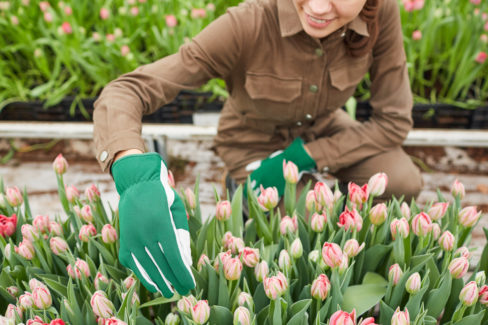
In early spring—sometimes as early as March—those first brave tulip tips start poking through the soil, getting ready to turn your garden into a sea of color by April and May. But here’s the thing: producing those gorgeous blooms takes a lot of energy, and it really drains the nutrient reserves in the bulbs. If you want your perennial tulips (the ones that come back year after year) to stay strong, a little extra feeding goes a long way.
When should you fertilize tulips?
Technically, if your tulips are in the perfect spot, they can get by on their own. However, they’ll definitely thank you for a little boost! I like to mix a bit of compost into the soil right when I’m planting in the fall. Once spring rolls around and you see the first signs of flowering, you can support them with regular feedings. A good rule of thumb is to apply a slow-release organic fertilizer about every two weeks during the growing season.
Which tulips actually need the extra food?
If you’re growing tulips that only bloom once, you can skip the fertilizer. But those tall, show-stopping Darwin hybrids or Rembrandt tulips are heavy feeders; they need plenty of nutrients to fuel their blooms and recharge their bulbs for next year. Before you even put them in the ground, you can prep the soil with some garden lime or horn meal. Just go easy on the compost—most tulips actually prefer mineral-rich, lime-heavy soil that isn’t too packed with organic humus.
There are a few exceptions, though! Wild tulips (botanical tulips) and Rock tulips actually love lean, nutrient-poor soil. If you’ve got these tucked away in a rock garden, they’re perfectly happy without the extra snacks.
Choosing the right fertilizer for the job
The type of fertilizer you use depends on when you’re applying it. Your final feeding of the season should happen in the fall. Here are some of my favorite options:
- Horn meal or horn shavings: These are great organic options that provide a steady supply of nutrients from the moment the sprouts emerge until the flowers fade. Plus, since they’re chemical-free, they’re safe for your pets and the local wildlife.
- Blaukorn (Mineral Fertilizer): If you totally forgot to fertilize in the fall, this is your “last-minute” lifesaver. It’s a fast-acting mineral fertilizer that gives the plants an immediate boost. Just be sure to follow the package directions closely so you don’t overdo it!
- Compost: Best used at planting time. Just mix a little bit into the soil around the bulbs to give them a healthy start.
- Coffee grounds: Yes, you can use your morning leftovers! They contain nitrogen, phosphorus, and potassium. Just use them sparingly, as coffee grounds can make your soil a bit too acidic if you use too much.
- Wood ash: If you have a fireplace, save that ash! It’s rich in potassium, lime, and trace elements. It’s also a natural way to help prevent fungal diseases and bulb rot in the soil.