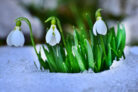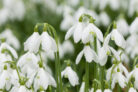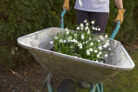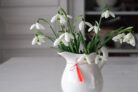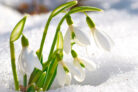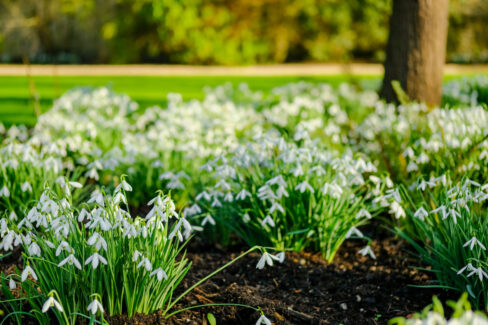
Snowdrops are the ultimate garden chameleons—they look amazing tucked into your lawn, popping up in flower beds, or nestled under tall shrubs and deciduous trees. You can even grow them in pots! Since these delicate little messengers are usually the very first sign of spring, a lot of gardeners wonder: when exactly is the best time to give them a nutrient boost?
Do Snowdrops Actually Need Fertilizer?
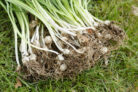
Here’s the thing about snowdrops: they are bulb plants, which means they carry their own “lunchbox” with them. After that early spring bloom, the flowers fade away and the plant goes into hiding underground until next winter. During this dormant phase, the bulb draws nutrients from the soil to store up for next year’s show.
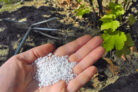
Generally speaking, snowdrops don’t really need extra fertilizer. In fact, if you overdo it, you might actually ruin next year’s bloom! Too much fertilizer often leads to a “leaf party”—lots of lush green foliage but zero flowers. However, if your snowdrops have been in the same spot for years and have formed big, thick clumps, you can give them a little organic snack. Good options include:
- Well-aged compost
- Horse manure
- Chicken manure
- Horn meal (or bone meal)
Just spread the fertilizer around the base of the plants and lightly work it into the soil. Give them a good watering afterward to help those nutrients reach the roots right away.
The Exception to the Rule
If you’re growing snowdrops in pots on your balcony or patio, the rules change a bit. Potting soil is limited and tends to run out of nutrients pretty quickly. In this case, fertilizing isn’t just okay—it’s necessary!
You’ll want to feed your potted snowdrops at least twice during the growing season: once when they start blooming and again shortly after. A liquid fertilizer or slow-release fertilizer sticks work best. This not only helps the flowers last a bit longer but also ensures the bulb has enough energy stored up for next spring.
Should You Prune Your Snowdrops?
Good news for low-maintenance gardeners: you don’t really need to prune these guys. You can snip off the spent flower stems if you want to prevent the plant from wasting energy on seed production, but it’s not a must.
As for the leaves and stems, they’ll eventually wither away on their own. If they start looking yellow and messy, you can trim them back—but wait until they are completely yellow. The bulb is actually sucking all the nutrients back out of those leaves to feed itself for next year. By letting the foliage die back naturally, the plant is essentially fertilizing itself!