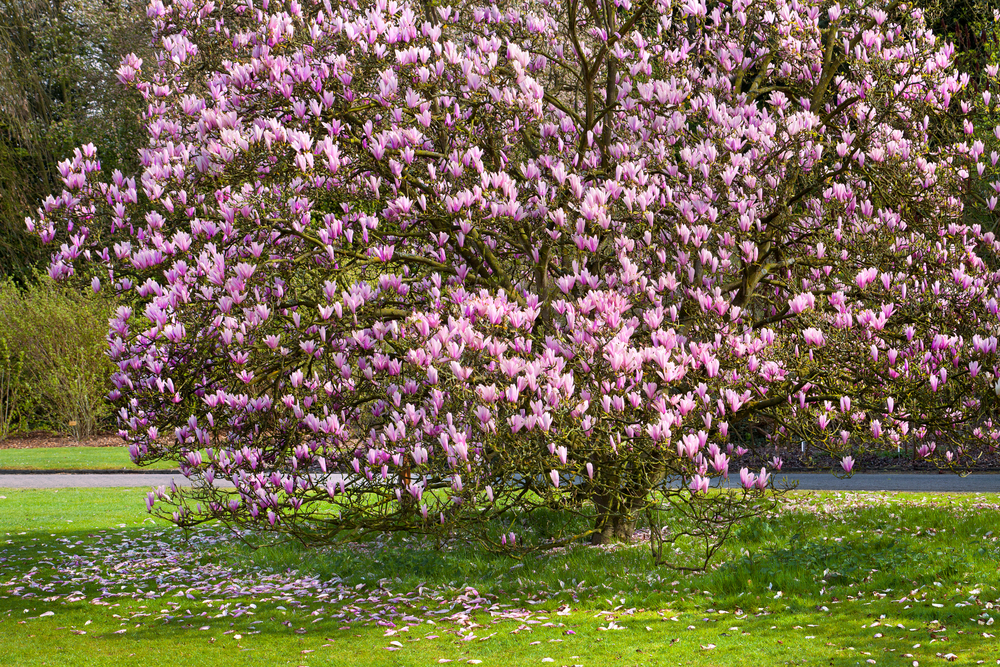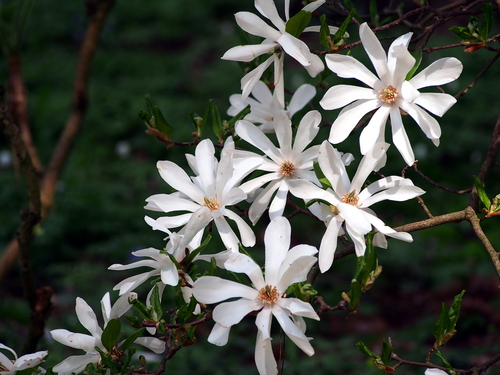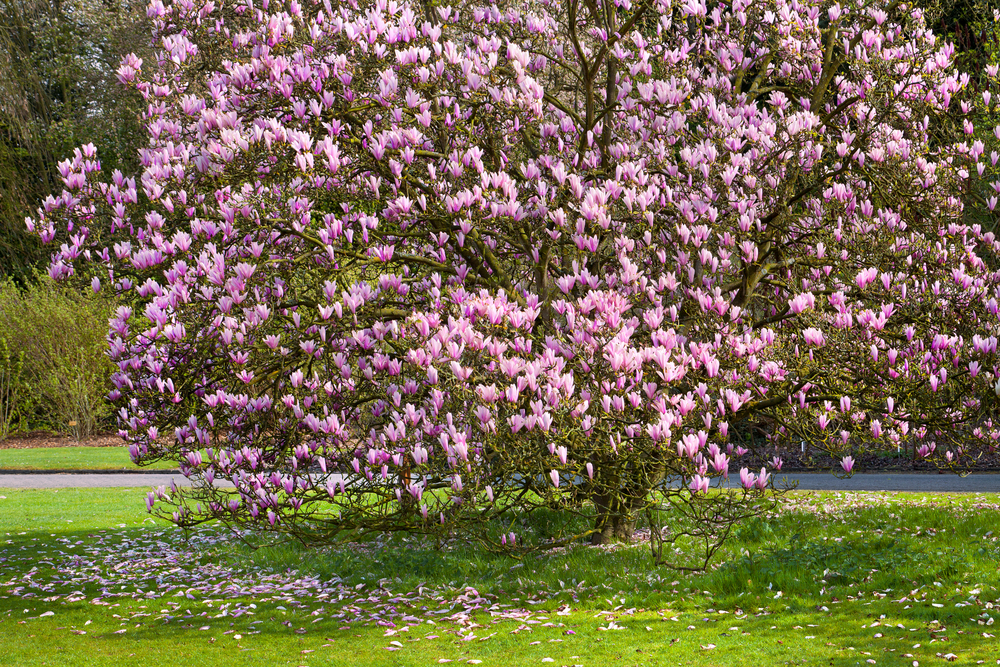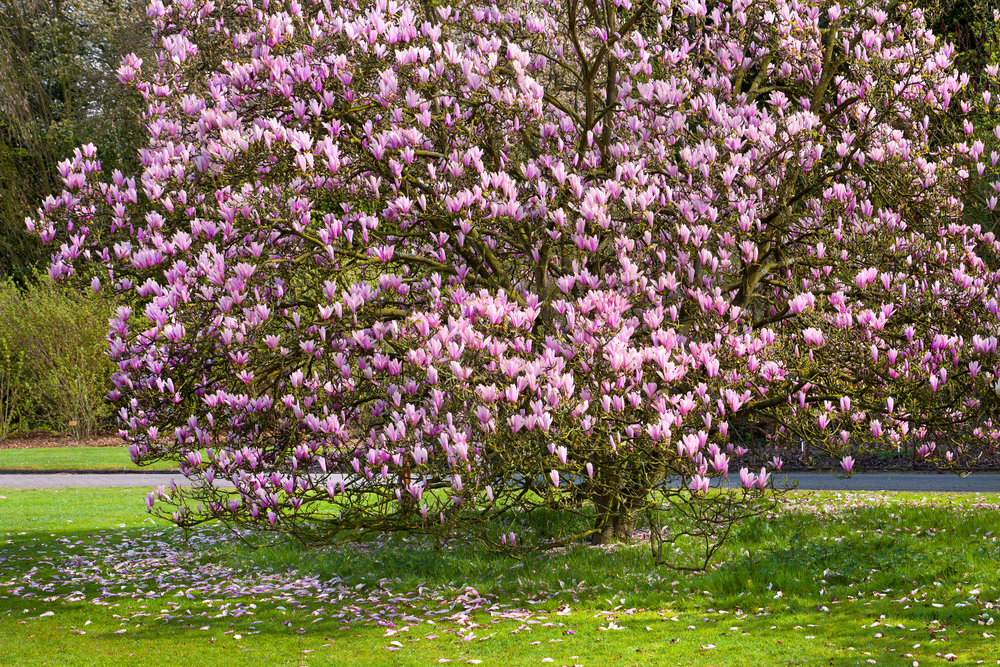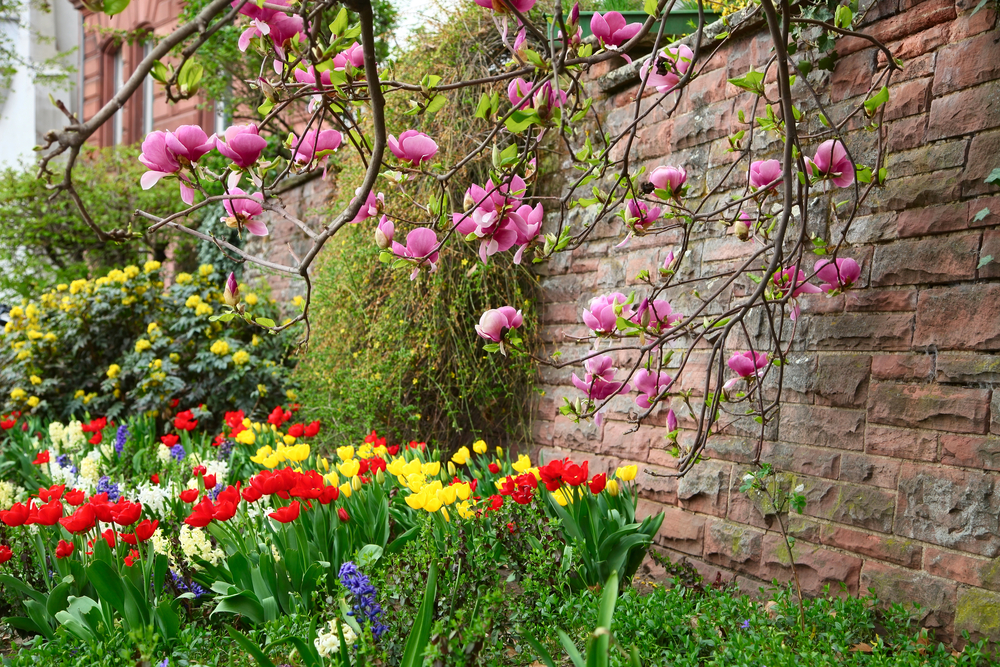
Magnolias are some of the most stunning, long-lived additions you can make to your landscape, but let’s be real—they can be a bit high-maintenance. The good news? Your magnolia is actually pretty great at communicating. If it’s missing a specific nutrient, it’ll show you right on its leaves. Beyond just feeding it, though, the secret to a happy tree starts with the foundation: the soil.
Magnolias Love Acidic Soil
When it comes to soil, magnolias prefer it loose and packed with organic matter. But the real “make or break” factor is the pH level. These beauties are acid-loving plants, thriving best when the pH is between 5.5 and 6.8. If your garden soil is a bit too alkaline, don’t worry—you can easily fix that by mixing in some peat moss or specialized rhododendron soil to boost the acidity.
Stick to Compost for Healthy Trees
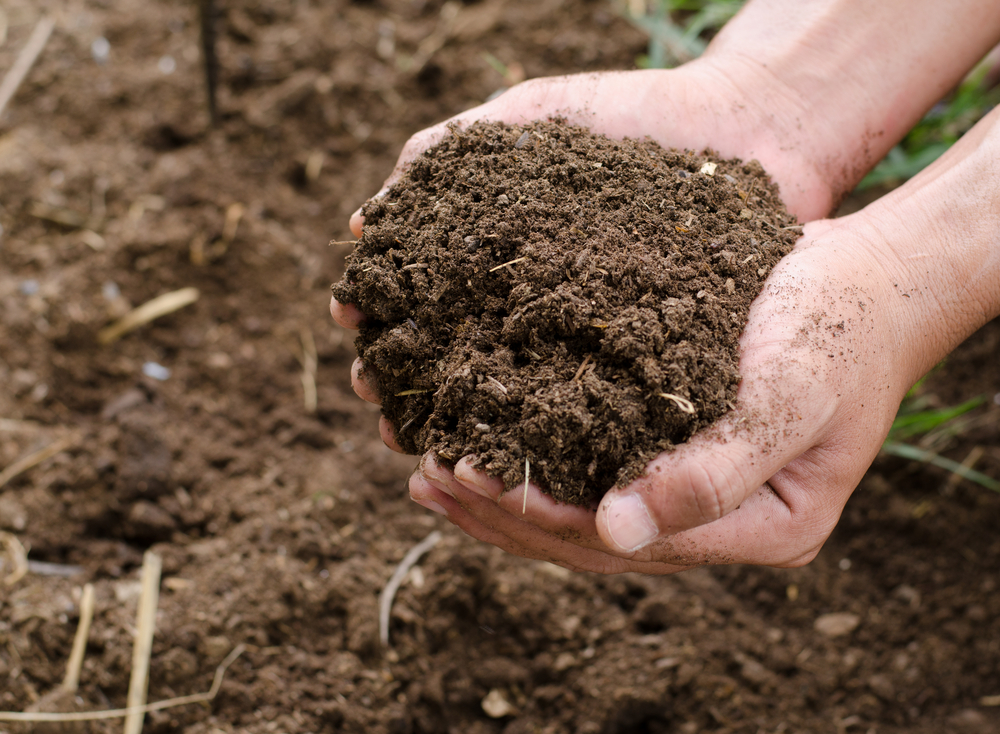
As long as your soil stays nice and acidic, a healthy magnolia usually doesn’t need a bunch of synthetic fertilizers. In fact, good old-fashioned ripe compost is often all they need. I recommend a natural feeding twice a year: once in the spring and again in the fall. That spring boost gives the tree the energy it needs to push out those gorgeous blooms, while the fall application helps it store enough strength to breeze through the winter.
How to Spot Nutrient Deficiencies
Even with the best care, sometimes things get out of whack. It’s a good habit to check your magnolia’s leaves every now and then while you’re out in the garden. They’ll tell you exactly what’s missing:
- Light green leaves: This usually means a nitrogen deficiency (time for a nitrogen-rich fertilizer).
- Brown or black spots: Your tree might be low on magnesium (try an Epsom salt solution).
- Brown leaf edges: This points to a lack of potassium (potash works wonders here).
- Yellowing between veins (Chlorosis): Often a sign of iron deficiency (use a chelated iron supplement).
- Blue-gray tint: This is a classic sign of phosphorus deficiency (look for a “Thomaskali” or high-phosphorus fertilizer).
- General yellowing: Can also indicate a potassium deficiency.
Don’t Forget Your Potted Magnolias!
While garden-planted trees can stretch their roots to find nutrients, potted magnolias are a different story. Because magnolias have shallow root systems, a container really limits their “pantry.” If you’re growing one in a planter, you’ll need to be much more consistent with a liquid fertilizer mixed into your watering routine to keep it thriving.