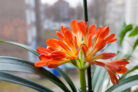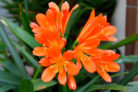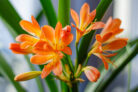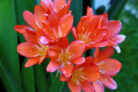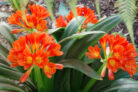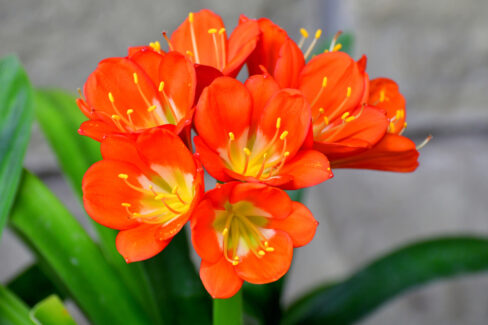
Clivias (also known as Natal Lilies) are definitely the kind of houseplants that appreciate a little extra TLC. Beyond just keeping them hydrated, getting their nutrient game right with a solid fertilizing routine is key to those stunning blooms. Here’s the lowdown on how to keep your Clivias fed and happy.
What’s the best fertilizer for Clivias?
You can find specialized Clivia fertilizers that are perfectly tailored to their needs, but a high-quality flowering plant fertilizer works just as well. Before you head to the garden center, decide which style works best for your routine:
- Slow-release fertilizer (granules or spikes)
- Liquid fertilizer
When should you fertilize a Clivia?
As a general rule of thumb, Clivias need a nutrient boost during their active growing season and a total break during their winter dormancy. If you’re using a slow-release fertilizer, you only need to apply it once a year at the start of the growing season. You’ll know it’s time (usually around February) when you see the first signs of flower stalks peeking out.
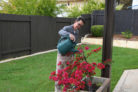
If you prefer liquid fertilizer, you’ll need to be a bit more consistent. Feed them about every one to two weeks until they finish blooming. The easiest way to do this is by mixing it right into your watering can—this ensures the nutrients reach the roots evenly. After the blooming period ends, start scaling back the frequency. By September, you should stop fertilizing entirely so your Clivia can settle into its winter nap.
Can you over-fertilize a Clivia?
You bet. It’s possible to have too much of a good thing, and over-fertilizing can lead to unhealthy plants and yellowing leaves. Always stick to the recommended dosage on the label rather than guessing.
Fertilizing during the winter is also a big no-no. It forces the plant to grow when it should be resting, resulting in “leggy” or weak growth that won’t produce flowers. This extra stress weakens the plant and might even cause it to skip its flowering cycle completely next year.