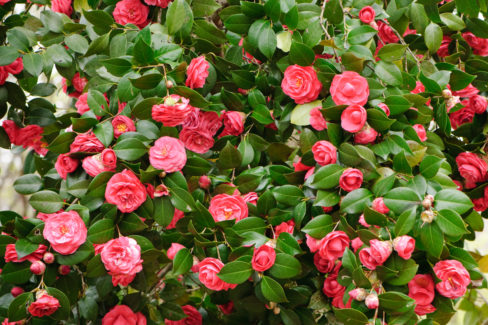
Camellias (botanical name *Camellia*) have a bit of a reputation for being divas in the garden. Part of the challenge is that there are so many different varieties, each with its own set of quirks. This is especially true when it comes to feeding them. If there’s one golden rule to remember, it’s this: less is definitely more.
When to Fertilize
The blooming season takes a lot out of a Camellia. Once those flowers fade, the plant is pretty hungry because it’s gearing up for a growth spurt. You’ll want to start fertilizing as soon as you spot the first signs of new green growth—usually around May.
The cutoff date for feeding is mid-July. You want to stop then so the new buds and shoots have plenty of time to “harden off” before the weather turns. How often you feed them in that window between May and July really depends on the type of fertilizer you’re using.
What to Use
To keep that lush foliage and those stunning blooms happy, Camellias crave nitrogen (N). A lot of gardeners swear by solid rhododendron fertilizer mixed with guano. If you’re picking something up at the garden center, look for a N-P-K ratio close to this:
- 3 parts Nitrogen (N)
- 1 part Phosphorus (P)
- 2 parts Potassium (K)
The biggest mistake you can make is overfeeding, which can really hurt the plant. If you’re using rhododendron fertilizer, a good rule of thumb is to use only half the dose recommended on the package.
Organic slow-release fertilizers are great because they feed the plant gradually. Just be careful with your watering—if you let the soil get too dry and then drench it, you can cause a sudden “dump” of nutrients that might overwhelm the roots.
Liquid Fertilizer
If you’re growing Camellias in pots, liquid fertilizers for green houseplants are super easy to dose. Give them a drink of this every two to three weeks, but again, stick to a half-strength dose. Avoid standard “bloom boosters” or balcony plant fertilizers, as they usually don’t have enough nitrogen for what a Camellia needs.
Specialty Acid-Loving Plant Food
If you don’t mind spending a little extra, you can buy specialty fertilizers designed specifically for acid-loving (ericaceous) plants. These work well, but their effectiveness depends on your soil and watering habits. If your soil drains very quickly and you water heavily, you might end up with a buildup of potassium and phosphorus salts, which isn’t great for the plant’s health.
Mineral Fertilizers
Be extra cautious with mineral-based fertilizers. Camellias are very sensitive to high salt concentrations. If you overdo it, you’ll likely see black spots or leaf necrosis pretty quickly, which can unfortunately lead to the end of your plant. Slow and steady wins the race here!