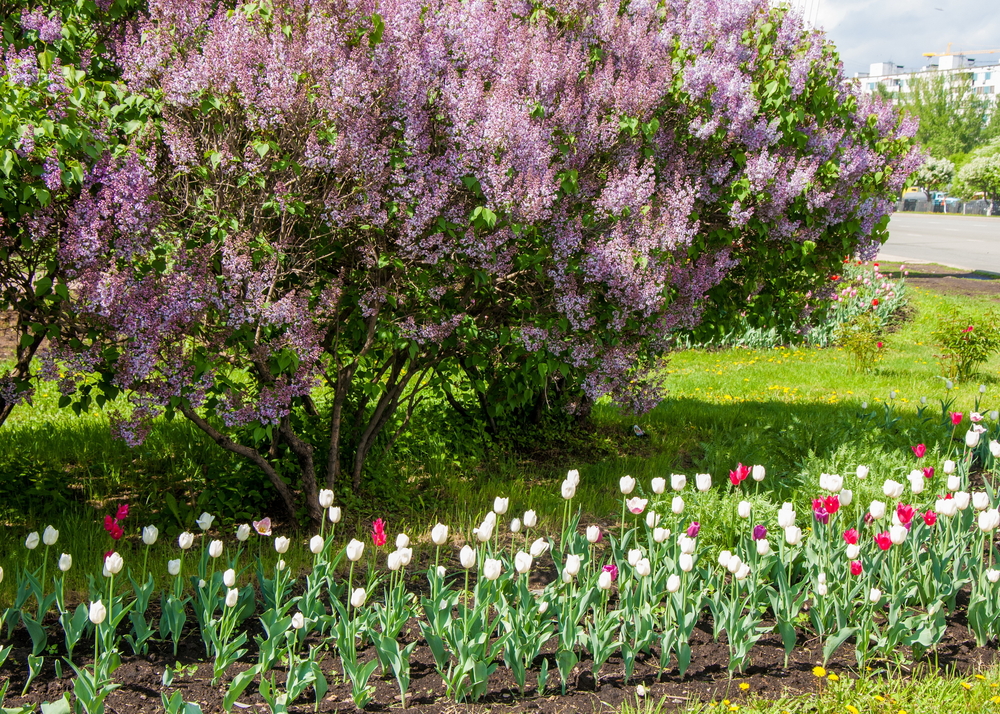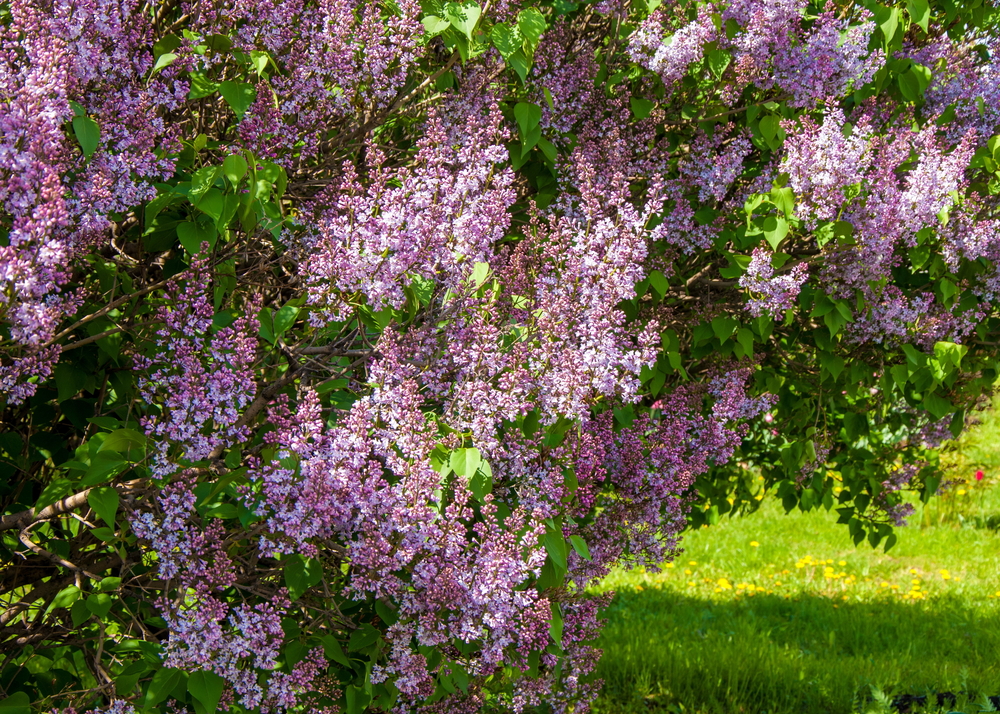
If you’re lucky enough to have a lilac bush in your yard, you might be one of the many gardeners who’s never even thought about fertilizing it. Lilacs are famous for being “set it and forget it” plants that grow and bloom beautifully with almost zero help. However, even these hardy favorites can benefit from a little extra love now and then.
Why your long-term lilacs might need a boost
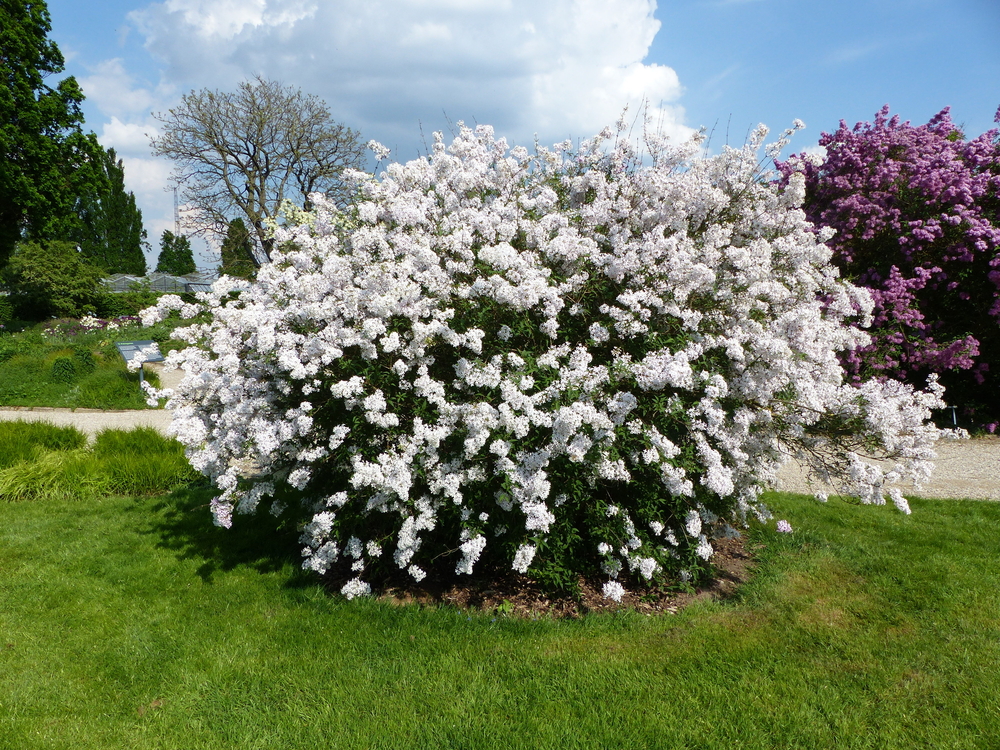
Generally speaking, you don’t *have* to fertilize a lilac; they usually put on their floral show year after year without a fuss. But if your bush has been in the exact same spot for a long time, you might notice the blooms starting to look a little sparse. This usually happens because the soil has become “tired” and depleted of essential nutrients.
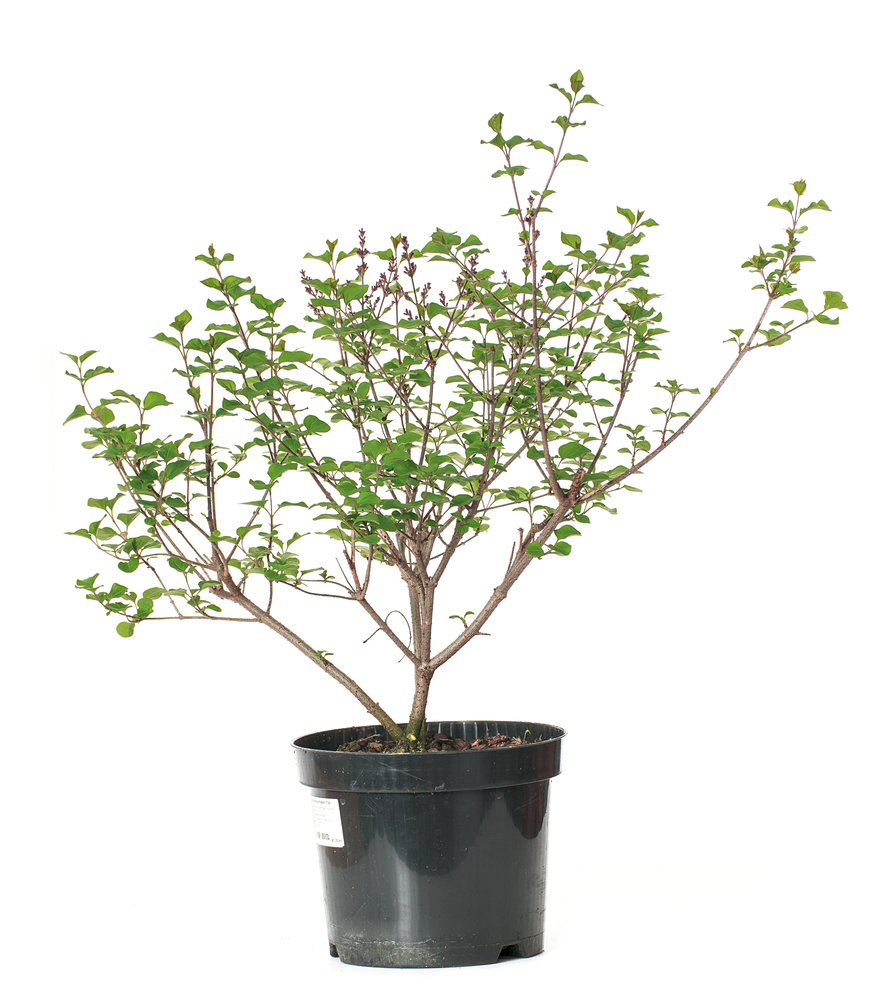
When the soil runs low on fuel, the lilac simply doesn’t have the energy to produce those big, fragrant clusters we love. In some cases, it might stop blooming altogether. The same rule applies to lilacs in pots—container soil gets tapped out much faster than garden soil and definitely needs a refresh.
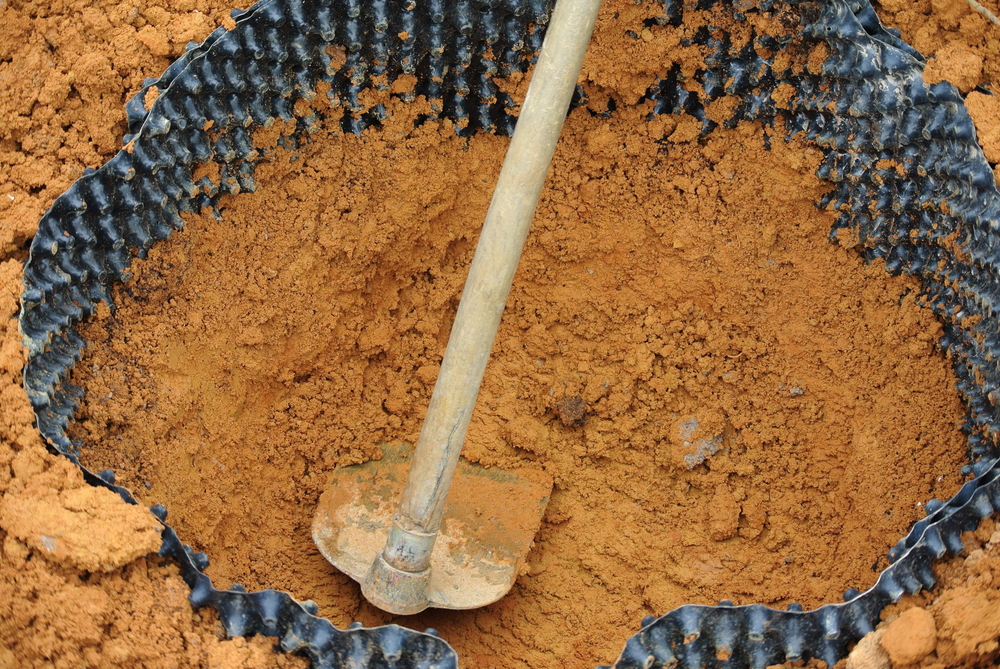
It’s not just the old-timers that benefit, either. You can give a brand-new lilac a head start right at planting time. Just mix some compost and horn shavings (or a slow-release organic starter fertilizer) into the soil you dug out of the hole. This helps the plant settle in and establish strong roots. Other great options include well-rotted horse manure, nettle tea, or a very small amount of balanced mineral fertilizer.
How to fertilize your lilac the right way
The best time for that first feeding is early spring, right before the new growth starts popping out. This goes for both garden shrubs and potted plants. If your soil is particularly sandy or poor, you might want to give it a second “snack” around June. When picking out a fertilizer, look for these qualities:
- Organic (better for the environment and won’t leach into groundwater),
- Slow-release (so you don’t have to keep reapplying),
- High in potassium,
- High in phosphorus, and
- Low in nitrogen.
Be careful with high-nitrogen fertilizers! Nitrogen encourages the plant to put all its energy into green leaves and fast-growing branches, often at the expense of the flowers. If you have rich, slightly alkaline soil, one feeding a year is plenty. The only real exception is the Preston lilac, which actually prefers soil that isn’t as lime-heavy. For most other lilac varieties, the ideal pH is between 5.5 and 7. If your soil is much more acidic than that, a little garden lime once a year can work wonders.
If you’re growing your lilac in a container, I recommend swapping out the potting soil entirely every two years (and moving to a bigger pot if it’s getting cramped). In between soil changes, use a liquid flowering plant fertilizer every two weeks from April through September to keep those blooms coming!