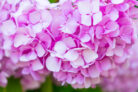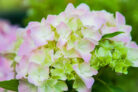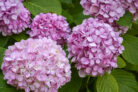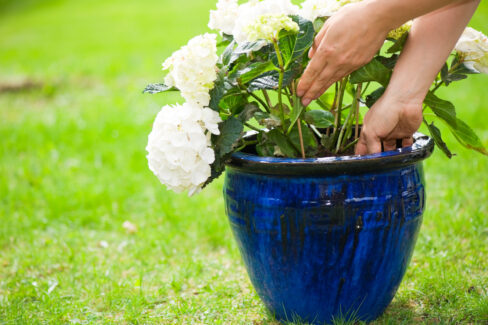
Generally speaking, the Bigleaf Hydrangea (bot. *Hydrangea macrophylla*) is known for being pretty low-maintenance. As long as it’s sitting in the right spot, that’s absolutely true! However, besides plenty of water, these beauties need the right nutrients to really thrive and show off those lush, iconic blooms.
Why is fertilizer so important for Bigleaf Hydrangeas?
There’s probably no other plant in your garden that reacts to fertilizer quite like the hydrangea. It’s not just about giving the plant a nutritional boost; fertilizer can actually change the color of the flowers! Many gardeners have noticed this firsthand after planting one of those popular blue varieties, only to see it shift colors over time.
What should I use to fertilize my hydrangeas?
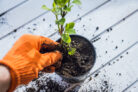
Bigleaf Hydrangeas are “heavy feeders,” meaning they have a relatively high nutrient requirement—especially during their blooming season. You’ve got a few great options: slow-release fertilizers (available as liquids or granules), specialized hydrangea food, or even homemade compost enriched with horn meal and/or coffee grounds.
Do I need to fertilize on a regular schedule?
If you opt for a slow-release fertilizer, you only need to apply it twice a year—ideally in March and again in July. During the colder months, your semi-hardy Bigleaf Hydrangea doesn’t need any extra food.
On the other hand, if you’re using a specialized hydrangea fertilizer, you should apply it about every four weeks. If you’re using compost, you might even want to top it off every two weeks. Start your routine in March and keep it going through September.
Which fertilizer do I need for blue flowers?
To keep those blooms blue, your hydrangea needs relatively acidic soil with a pH level around 4.0. In standard garden soil, the flowers will naturally drift toward shades of rose or pink. Using a specialized hydrangea fertilizer containing aluminum sulfate (often called “blueing agent”) ensures your plant stays blue. You can also help maintain that acidic environment by using rhododendron soil, grass clippings, or pine and spruce needles as mulch.
The Quick Essentials:
- Fertilize regularly from March through September.
- Alternatively, apply slow-release fertilizer twice a year.
- For blue blooms, use specialized hydrangea or rhododendron fertilizer; coffee grounds, pine needles, and grass clippings also help maintain acidity.
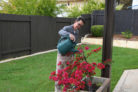
Pro Tip: It’s actually much easier to keep blue hydrangeas blue if you grow them in containers, as it’s way simpler to control the soil pH and fertilizer dosage in a pot.