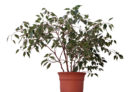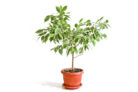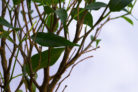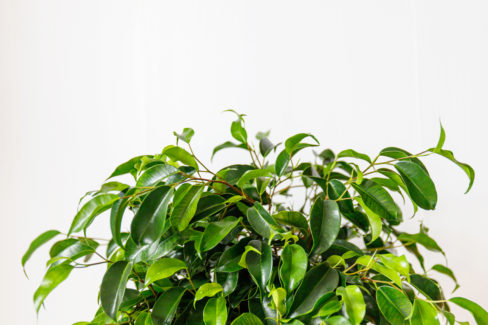
If you’ve ever owned a Weeping Fig, you probably know that they can be a bit dramatic. But nothing makes a Ficus Benjamini lose its cool faster than a lice or scale infestation. These tiny hitchhikers are easily the most common pests you’ll deal with on your indoor trees. Even though they’re only a few millimeters long, they can do some real damage if left unchecked.
Let’s break down the usual suspects and, more importantly, how to get rid of them so your Ficus can get back to looking its best.
The Different Types of Pests
When we talk about “lice” on plants, we’re usually looking at one of three main culprits. You’ll want to identify which one you’re dealing with to choose the right “battle plan”:
- Aphids
- Scale insects
- Mealybugs
Dealing with Aphids
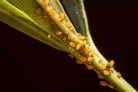
Aphids are those tiny (1 to 3 mm) green or black bugs that love to hang out on fresh new leaves and stems. Individually, they’re hard to spot, but they usually travel in large groups, making them pretty obvious once they’ve moved in.
My favorite way to kick them to the curb is a simple insecticidal soap spray. You can make your own by mixing one tablespoon of liquid castile soap and one tablespoon of rubbing alcohol into a quart of water. Spray the top and bottom of every leaf every two days. For a quick fix, you can also try giving your plant a “shower” by rinsing it upside down in the tub or dusting the leaves with rock flour.
Dealing with Scale Insects
Scale insects are a bit trickier because they have a hard, protective shell. Because of that “armor,” a standard soap spray won’t really cut it. Instead, grab some high-proof rubbing alcohol and a soft cloth or cotton swab. Dab the alcohol directly onto the scales on both sides of the leaves. The alcohol dissolves their shells, causing the pests underneath to dry out and die off.
Dealing with Mealybugs
You’ll know you have mealybugs if your Ficus looks like it’s covered in tiny bits of white, sticky cotton. These guys are messy! To treat them, use the same soap and alcohol solution we used for aphids. Make sure to get into all the little nooks and crannies where the branches meet the trunk, as they love to hide there.
Natural Home Remedies
The good news is that you don’t need harsh chemicals to save your plant. Most infestations can be handled with stuff you probably already have in your pantry or under the sink. The most effective natural remedies include:
- Liquid castile soap (or soft soap)
- Mild dish soap
- Rubbing alcohol (Isopropyl)
- Lemon balm spirit
Watch Out for Sooty Mold
If you notice black, “sooty” spots on your leaves along with the bugs, you’re likely dealing with sooty mold. This fungus grows on “honeydew”—the sticky, sugary waste that aphids and scale leave behind. The best way to stop the mold is to get rid of the pests first, then gently wipe the leaves clean with a damp cloth.