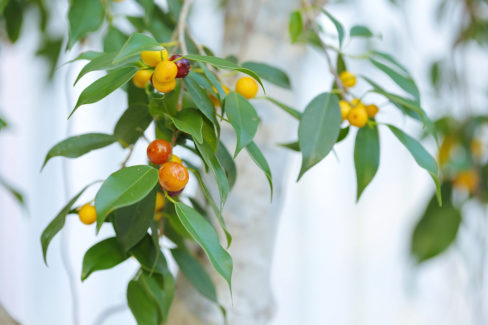
In their native tropical and subtropical habitats, the Weeping Fig (Ficus benjamina) is known to produce small, round, orange fruits. If you’ve been wondering why your indoor tree never seems to follow suit, you’re not alone! Here is the lowdown on why we usually wait in vain for fruit to appear on our houseplants.
The Weeping Fig only fruits in its native habitat
In the wild, Ficus benjamina regularly produces both flowers and tiny, orange stone fruits. However, here in the States, seeing fruit on a Ficus is incredibly rare. If you provide the perfect care at the ideal location, have a bit of luck, and wait patiently for about five to ten years, your Ficus might actually bloom. Keep in mind that these spherical blossoms often look like little fruits because of their shape and color, but they aren’t the real deal just yet.
Natural pollinators are the missing link
The main reason we don’t see those cute orange fruits on our indoor Ficus trees is a lack of local help. In the tropics, the Weeping Fig relies on very specific tiny insects for pollination. these specialized wasps are experts at crawling into the tiny openings of the female flowers to transfer pollen.
Since these specific pollinators aren’t native to North America or Europe, natural fertilization just doesn’t happen in our living rooms. Without that biological “handshake,” the plant simply won’t develop fruit.
Manual pollination isn’t an option
While you can hand-pollinate many other houseplants with a small brush, it’s pretty much a lost cause with the Ficus benjamina. Because the flowers are so structurally unique, manual pollination is rarely successful. This also means that since we don’t get fruit, we don’t get viable seeds to collect and plant.
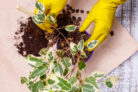
If you want to grow more trees, propagating your Ficus benjamina is best done through stem cuttings. This method is actually quite reliable and is the go-to way for home gardeners to expand their Ficus family.
A quick heads-up: The fruit is toxic
If you happen to spot a Weeping Fig full of fruit while vacationing in the tropics, resist the urge to give them a taste! The fruits contain mildly toxic substances. While they aren’t usually life-threatening, they can definitely cause a very upset stomach and other unpleasant symptoms. Best to stick to the grocery store for your fruit fix!