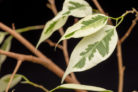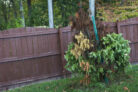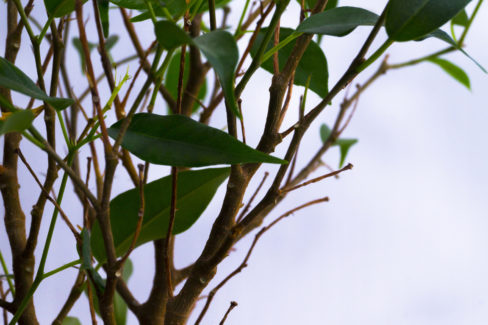
If your Ficus Benjamini (commonly known as a Weeping Fig) is dropping leaves like crazy or turning a sickly yellow, don’t panic! Before you drag it to the curb, know that these plants are notorious drama queens when they’re unhappy. The good news? You can usually nurse them back to health. Here’s how to save your plant and get it thriving again.
Why Is Your Weeping Fig Struggling?
There are a few usual suspects when a Ficus starts looking sad. Most of the time, it’s one of these issues:
- The wrong location (they hate drafts and low light!),
- Watering blunders—either drowning the roots or letting them go bone-dry,
- A plant disease, or
- A pest infestation.
Your Step-by-Step Rescue Plan
While the causes can vary, the “emergency room” treatment is pretty much the same. Follow these steps to give your Ficus a fresh start:
- Gently remove the plant from its pot and shake off all the old soil from the roots.
- Give the whole plant a lukewarm shower—literally. Rinse the foliage and branches thoroughly.
- Grab a sharp pair of shears or a knife and trim away any mushy, rotten, or dead roots. Keep only the firm, healthy ones.
- Give the top of the plant a haircut, too. Pruning back the branches helps the plant focus its energy on new growth.
- Thoroughly disinfect the old pot or grab a brand-new one.
- Create a drainage layer at the bottom using expanded clay pebbles (LECA) and cover them with a piece of landscape fabric to keep the soil from clogging the drainage.
- Repot your Ficus with fresh, high-quality potting mix and move it to a warm, bright spot.
- Water regularly, but make sure the pot never sits in standing water.
- Feed your plant with a good liquid fertilizer every four to six weeks.
If you follow these steps, your Ficus should thank you by sprouting a lush new canopy of green leaves and standing tall once again.
A Pro Tip for Pruning
When pruning your Weeping Fig, watch out for that sticky white sap! It can irritate your skin and stain your clothes or floors. Wear gloves and lay down some newspaper or a tarp to catch any drips.
Quarantine for Pests and Disease
If you discover that bugs or a fungus are the reason your plant is failing, make sure to move it away from your other houseplants immediately. Keeping it in “quarantine” while you treat it will prevent the problem from spreading to the rest of your indoor jungle!