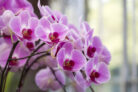
Contrary to what a lot of people think, orchids aren’t actually parasites themselves—but they can definitely fall victim to some pesky little hitchhikers. If you’re worried about your plants, don’t sweat it! I’ll show you how to spot aphids, scale, and spider mites and, more importantly, how to get rid of them for good.
Orchids Aren’t Parasites
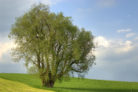
There’s a common myth that these exotic beauties are parasites. This misunderstanding usually comes from how they grow in the wild. In tropical and subtropical rainforests, orchids often sit high up on tree branches or rocky cliffs. These are called “epiphytic” orchids. They use those cool aerial roots to anchor themselves to the bark, but they aren’t stealing any nutrients from the tree. Instead, they grab everything they need—water and nutrients—right out of the humid air and passing rain showers.
Lice and Scale: The Most Common Pests
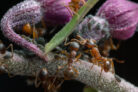
When it comes to pests, the usual suspects are various types of lice and scale, including:
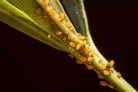
- Aphids
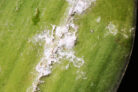
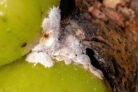
- Mealybugs (those fuzzy white ones)
- Scale insects
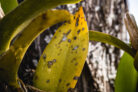
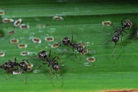
Even though they’re tiny, you can usually spot them with the naked eye. Look for small black or brown spots on the leaves—that’s a major red flag. Since these pests love to feast on the plant’s sap, you might also notice actual bite marks or damaged patches if they’ve been hanging out for a while.
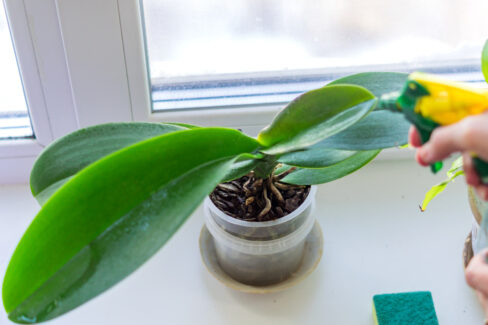
The good news? You can fight back against any of these pests using eco-friendly methods. First things first: quarantine the affected orchid so the bugs don’t spread to your other plant babies. Then, give the plant a gentle rinse with lukewarm water to knock off as many pests as possible.
For the stubborn ones left behind, a simple soap solution works wonders. Mix about a quart of water with a tablespoon of mild dish soap or castile soap. If you’re dealing with scale (which have those hard shells), dab them with a little rubbing alcohol first to break down their armor. Use a soft cloth to wipe the mixture onto the affected areas every two to three days until the pests are gone.
Using Diatomaceous Earth
If you’re dealing with a really stubborn infestation that the soapy water just can’t handle, you might want to try Diatomaceous Earth (often called DE). This is a fine powder made from fossilized algae. It works by naturally dehydrating the parasites without using harsh chemicals.
Spider Mites
Along with lice and scale, spider mites are another common orchid headache. If you see tiny webs or silvery stippling on the leaves, you’ve likely got mites. A quick treatment with a Neem oil-based spray usually does the trick and gets your orchid back to its beautiful self in no time!