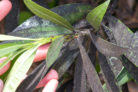
Oleanders are famous for being tough-as-nails, but even these hardy Mediterranean beauties have their fair share of run-ins with garden pests. If your plant is looking a little under the weather, don’t worry! I’m going to walk you through the most common culprits and show you exactly how to get your oleander back to its vibrant self.
Common Oleander Pests
In addition to a few common diseases, oleanders are magnets for a handful of specific bugs. The usual suspects you’ll run into are:
- Various types of lice and aphids, specifically aphids, scale insects, or mealybugs.
- Spider mites.
Dealing with Aphids
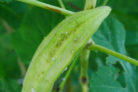
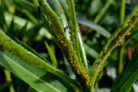
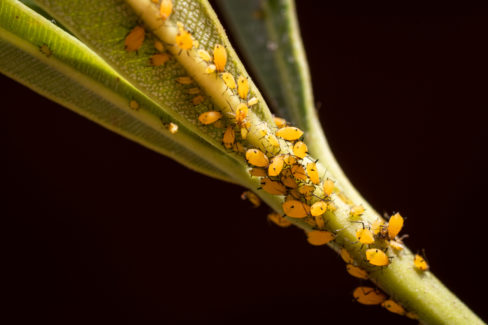
An aphid infestation is probably the most common issue you’ll face. These tiny pests love to hang out on soft new growth and the undersides of leaves, where they suck out the plant’s sap. You’ll know they’re there if you see “honeydew”—a sticky substance they excrete that attracts ants and can lead to sooty mold.
To get rid of them, start by giving your oleander a good blast with the garden hose; this knocks a huge chunk of the population right off. For the stragglers, a simple mix of water and a little dish soap (or insecticidal soap) usually does the trick. If the infestation has really gotten out of hand, you might need to pick up a targeted insecticide from your local garden center.
Scale Insects and Mealybugs
Scale and mealybugs are another frequent headache for oleander owners. Mealybugs are easy to spot because they look like tiny tufts of white cotton. Like aphids, they drink the plant’s sap and can lead to ant or fungus problems.
You can tackle scale and mealybugs with a mixture of water and insecticidal soap or a bit of rubbing alcohol. The alcohol helps dissolve the protective “shell” or waxy coating of these pests, which is the key to stopping them. In really severe cases, your best bet might be a radical pruning to remove the infested branches and stop the bugs from spreading to the rest of your garden.
Spider Mites
Spider mites usually show up when the weather gets hot and dry during the peak of summer. You’ll know you have them if you see fine, delicate webbing all over the plant (it looks a lot like tiny spider webs). Another tell-tale sign is when the leaves start looking speckled or take on a silvery, washed-out color.
The best weapon against spider mites is humidity—they absolutely hate it! Keep the air around your oleander moist by misting the plant regularly with water. If the mites have already taken over, look for a neem oil or rapeseed oil-based spray at the store; these are very effective at suffocating the mites without harsh chemicals.
How to Prevent Pest Problems
I’ll be honest: there’s no magic shield to keep every bug away forever. However, the best defense is a good offense! By giving your plant the right location and proper care, you ensure it stays strong and resilient. A healthy, vigorous oleander can bounce back from almost any pest attack without any long-term damage. Keep it hydrated, give it plenty of sun, and your oleander will be just fine!