title: Why Your Red Flowering Currant Isn’t Blooming
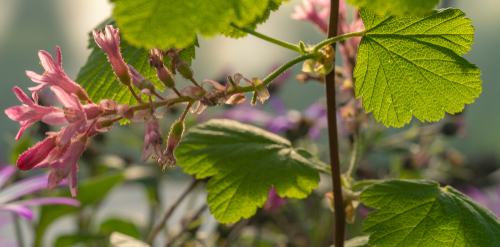
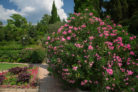
Red flowering currants are usually absolute showstoppers in the spring, covered in those iconic deep pink clusters. It’s actually pretty rare for them to skip a bloom cycle! If yours is looking a little green and boring lately, it usually boils down to a few specific culprits: a bad pruning job, worn-out soil, or just being planted in the wrong spot.
Key Factors That Affect Those Blooms
- Soil quality
- Sunlight and location
- Pruning timing
- Maintenance cuts
- General plant care
For the most part, red flowering currants are the “set it and forget it” type. They aren’t divas and usually bloom their heads off with very little help. But if yours is being stubborn, it might be craving more light. While they can handle a bit of shade, they really need at least a partial-sun spot to produce a lot of flowers.
What about the dirt? These shrubs aren’t picky about nutrients, but if your soil is completely “spent” and bone-dry, the plant might not have the energy to flower. If that’s the case, try feeding the soil with some organic fertilizer or a good compost tea.
One thing they definitely hate is “wet feet.” If the soil is waterlogged, the plant will struggle. Try loosening up the earth around it and mixing in some sand to help the water drain away better.
Find a Cozy, Sheltered Spot
If you’ve tried everything and still have no flowers, it might be time for a change of scenery. Move your currant to a spot protected from harsh winds—ideally near a south-facing wall. That extra bit of warmth and shelter can work wonders for flower production.
Prune With Care (And Never Too Much!)
The biggest mistake you can make is pruning your red flowering currant too aggressively. If you hack it back to the ground, don’t expect any flowers the following year! The best time to prune is right after the blooms fade in May. Stick to removing just the dead wood or diseased branches. Remember: the flowers grow on the wood produced the previous year. If you cut off all that new growth, you’re cutting off next year’s display.
Only do a heavy cut in the fall if the shrub has totally taken over your garden. Just keep in mind that if you do, your spring flower show will likely be pretty thin the next season.