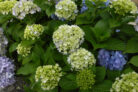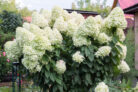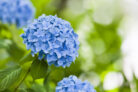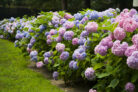
There’s nothing quite like the lush, oversized blooms of a Bigleaf Hydrangea to make a garden feel complete. They’re a total classic! So, I totally get the frustration when your hydrangea stays green all summer without a single flower in sight. The good news? While there are a few different reasons why your hydrangea might be “acting out,” most of them are pretty easy to fix.
Why Isn’t My Hydrangea Blooming?
From picking the wrong spot in the yard to a little “oops” with the pruning shears, several factors can keep those blooms at bay. While some fixes are quick, keep in mind that gardening is a game of patience—if the damage is already done, you might have to wait until next year to see that gorgeous color again.
Common Reasons for No Blooms:
- The wrong location (too much shade!)
- Pruning at the wrong time
- Nutrient issues or using the wrong fertilizer
- Winter damage or late spring frosts
- Diseases like fungal infections
Location and Care Tips
If your hydrangea is tucked away in a deep, dark corner, you’re probably going to be waiting a long time for flowers. These plants need plenty of light to set their buds. Another common culprit is the soil. If you’re using a fertilizer too high in nitrogen, you’ll get tons of beautiful green leaves but zero flowers. Look for a fertilizer with a higher phosphorus count to encourage those blooms instead.
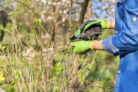
One of the biggest mistakes I see, though, is “over-eager” pruning. Bigleaf Hydrangeas usually bloom on “old wood.” This means the buds for next year are actually formed on this year’s stems. If you cut the plant back too far in the fall or winter, you’re accidentally cutting off next summer’s flower show!
Dealing with Frost and Disease
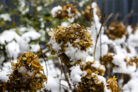
While these plants are fairly tough, they are only moderately hardy. They can handle a light chill, but if temperatures drop significantly or if a “surprise” late frost hits in the spring, those delicate flower buds can freeze. Usually, it’s just the tips that get damaged, and the plant will bounce back, but the flowers for that season will be lost.
Even though they’re sturdy, hydrangeas can sometimes fall victim to fungi, like bud rot. This often happens if they are kept too damp during the winter. To prevent this, try to keep your plants in a spot with consistent temperatures and good airflow when overwintering them.
Quick Tip: If your hydrangea had a rough year, don’t give up! Even after you fix the problem, the plant won’t start setting new buds until the following fall.