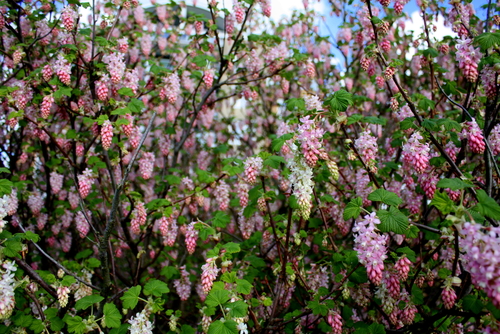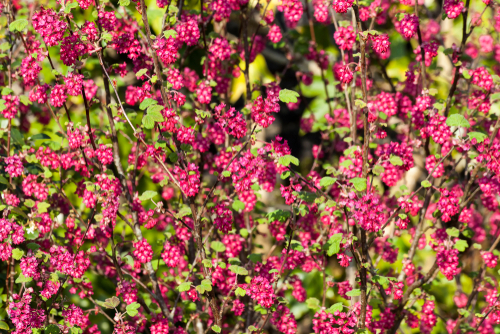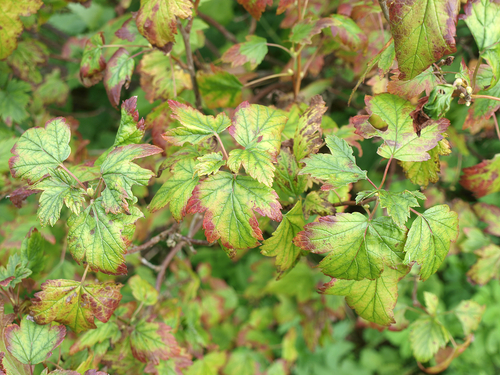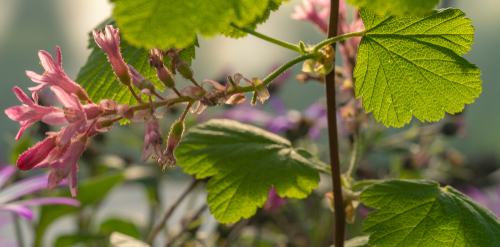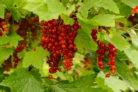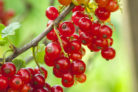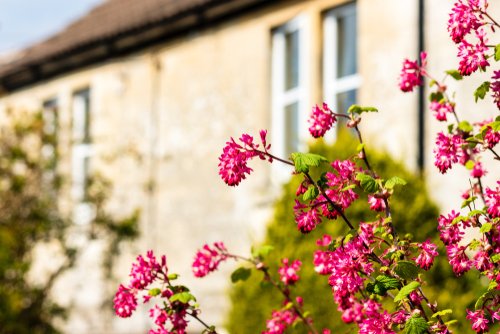
Red flowering currants aren’t just about the berries; they are actually one of the most stunning ornamental shrubs you can add to your landscape. With their incredibly lush blooms, they make a fantastic focal point for any garden bed. If you’re looking for a plant that packs a visual punch, planting a flowering currant is definitely worth it.
Planting Flowering Currants: Finding the Sweet Spot
To get those vibrant red, white, or bicolor blossoms to really pop—and to ensure a healthy crop of berries—you’ve got to start with the right location. First and foremost, these beauties love the sun. However, unlike their cousins (the standard red currant), flowering currants are actually pretty chill with partial shade. The big thing to remember is wind protection. If you can plant them near a protective wall, they’ll be much happier and reward you with even more flowers.
Even though we mostly grow these for their looks, you’ll be happy to know the berries aren’t toxic. That said, they aren’t exactly delicious, so they’re usually left off the dinner table. Here’s what this shrub looks for in a soil “home”:
- Loose, well-draining soil.
- Standard garden soil quality is perfectly fine.
- Good drainage is a must.
If your backyard has heavy, compacted clay, don’t sweat it—just mix in a little sand to help loosen things up. Heavy soil tends to hold onto water, and “wet feet” (standing water) is a big no-no for these plants.
Getting the Spacing Right
One of the nice things about the flowering currant is that it’s a well-behaved grower and won’t take over your entire yard. You can actually plant several of them close together to create a gorgeous ornamental hedge. When it’s in full bloom, it’s a total showstopper! Just aim for a spacing of about 30 to 40 inches (80 to 100 cm) between plants. They also play well with others—they look absolutely stunning next to the bright yellow blooms of a Forsythia. They also make great neighbors for spring bulbs like tulips and crocuses.
A Few Extra Tips
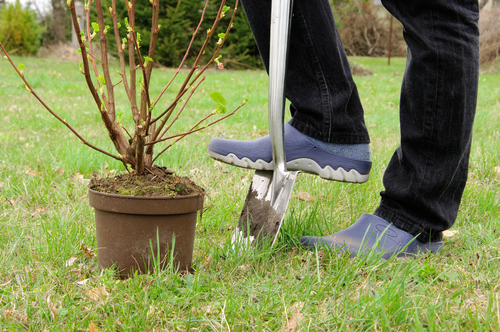
If you ever need to move your flowering currant to a new spot, timing is everything. Aim for early spring or autumn. Try to dig up as much of the root ball as possible before transplanting it to its new home. If you’re feeling adventurous, you can even propagate them yourself using cuttings or layering.
With a little bit of patience, even a beginner gardener can pull it off. And while these ornamental berries might not be a hit at your next snack time, they are a culinary jackpot for your local wildlife. The birds will definitely thank you for the treat!