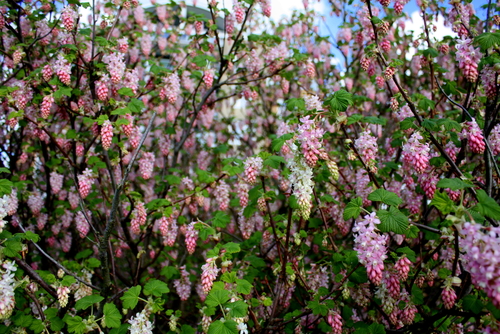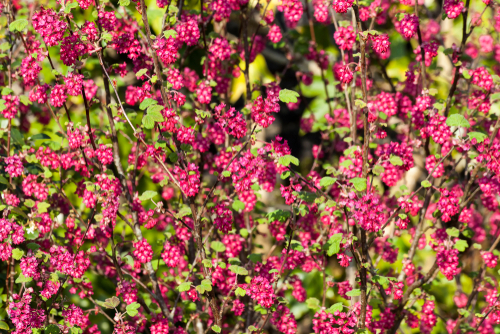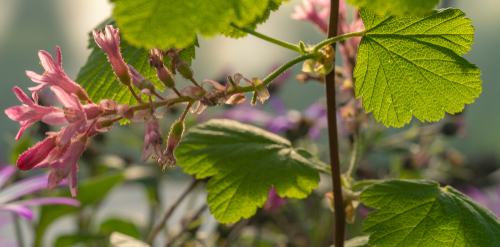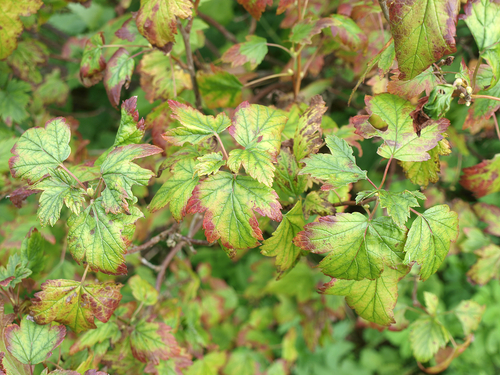
Generally speaking, flowering currants are tough-as-nails plants that rarely run into trouble with diseases. Whether it’s a cold snap or some wacky weather, these shrubs can handle most of what nature throws at them. That being said, they aren’t totally invincible against pathogens.
Proactive Disease Prevention
The trick with currants is finding that “Goldilocks” zone—they don’t like to be bone-dry, but they hate having “wet feet” even more. Both extremes make them sitting ducks for diseases and pests. To keep them happy, make sure to water your ornamental shrubs during those long dry spells. At the same time, ensure your soil is loose and well-draining to prevent dangerous standing water. If your garden soil is super compacted, try mixing in some sand to help loosen things up. Even with the best care, there are two main issues you might run into:
- Verticillium Wilt
- Leaf Spot Disease (Anthracnose)
Verticillium Wilt
If you notice entire shoots wilting and dying off within just a few days, you’re likely dealing with Verticillium wilt. This is a fungal disease caused by pathogens in the Verticillium family.
Unfortunately, there isn’t a “magic cure” for this one. Your best bet is to prune away all affected parts of the plant immediately. If you catch it early, you might be able to save the shrub. However, if the fungus has spread through the entire plant, the only real solution is to dig it out and remove it completely.
Leaf Spot Disease
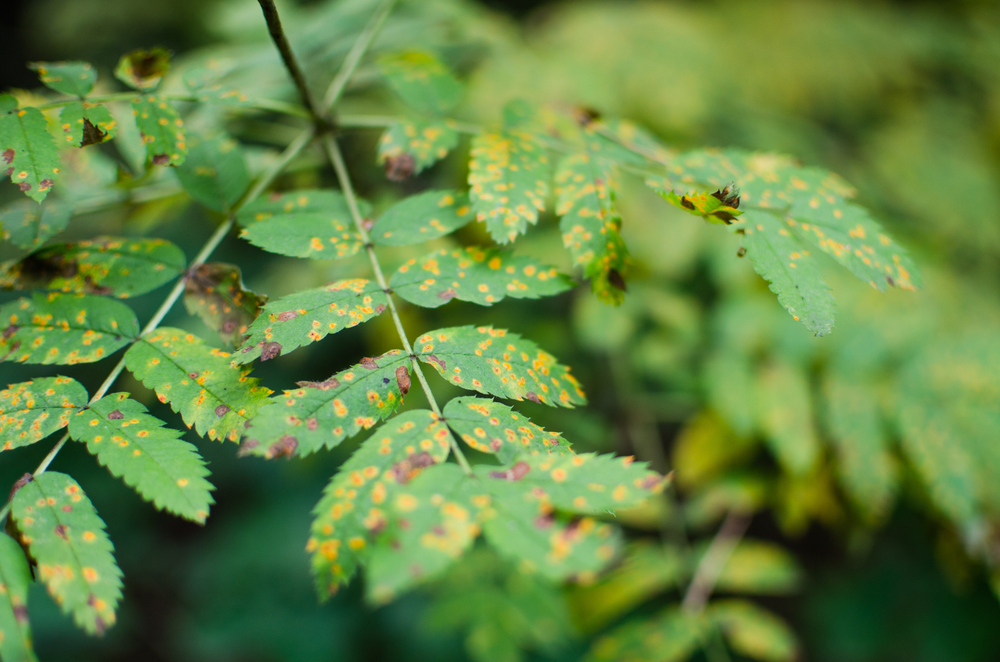
A super rainy spring is usually the culprit behind this issue. If you spot tiny brown dots on the leaves that eventually grow larger and merge together, you’re probably looking at leaf spot (caused by the fungus *Drepanopeziza ribis*). Eventually, the leaves will drop off entirely, which is why it’s often called “leaf fall disease.”
To manage this, you’ll need to prune back all affected branches until you hit healthy wood. Make sure to rake up and dispose of any fallen leaves so the fungus doesn’t hitch a ride to your other plants. It also helps to thin out your flowering currant regularly; better airflow makes it much harder for the fungus to take hold. For a natural boost, you can spray the plant with a stinging nettle tea. Most importantly: always disinfect your gardening tools after pruning a sick plant so you don’t accidentally spread the fungus around your garden!