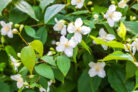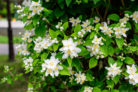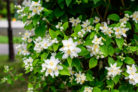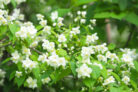
If you’re looking to add some serious charm to your garden, let’s talk about the Mock Orange. A member of the hydrangea family, this shrub is a total showstopper in mid-summer, covering itself in fragrant blooms. Even though it’s a pretty low-maintenance guest, picking the right spot is key to making sure it really thrives.
All About the Mock Orange
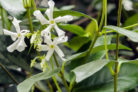
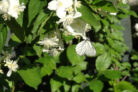
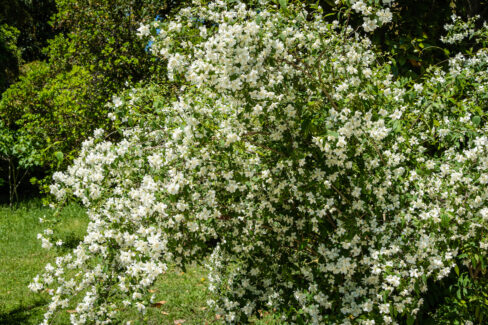
In my opinion, the Mock Orange looks best when it’s planted as a “specimen plant”—basically, give it its own stage to shine. From May through July, this beauty (often called “False Jasmine”) puts on a show with delicate white cup-shaped flowers that hang in clusters from slender branches. The bright yellow stamens in the center are a gorgeous touch, but the real treat happens in the evening when the shrub fills the air with a sweet, intoxicating scent. Bonus: it’s non-toxic! Fun fact: its German name, *Pfeifenstrauch* (Pipe Bush), comes from the old tradition of hollowing out the pithy branches to make small whistles or pipes.
Location and Soil
When it comes to where it lives, the Mock Orange isn’t too picky. It loves a sunny, airy spot but will tolerate partial shade. Just a heads-up, though: if you put it in the shade, you won’t get nearly as many flowers. Deep shade is a definite “no-go” for this sun-lover.
For the happiest plant, aim for soil that looks like this:
- Nutrient-rich garden soil
- Fresh, well-draining substrate
- It’s flexible with pH, tolerating slightly acidic to alkaline conditions
- No standing water (wet feet are a dealbreaker!)
- Avoid spots that get bone-dry for long periods
Before you dig your hole, you can give your soil a boost by mixing in some mature compost, humus, or horn shavings. If you’re dealing with heavy clay, mix in some sand or grit to loosen things up. Since Mock Orange hates soggy roots, I always recommend adding a drainage layer of coarse gravel or broken terracotta pieces at the bottom of the planting hole.
Once a young Mock Orange gets settled, there’s no stopping it! It’s a fast grower and can easily reach 12 to 15 feet tall. Because of that, try not to squeeze it between other big bushes or under low-hanging trees. You want plenty of room to admire those arching, flower-heavy branches in the early summer.
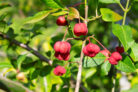
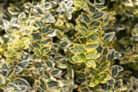
One pro tip for choosing a spot: try to keep it away from Spindle trees (*Euonymus*) or European Cranberrybushes (*Viburnum opulus*). Both of those plants are winter hotels for Black Bean Aphids, and as soon as the weather warms up, those pests will be looking to move right into your Mock Orange!