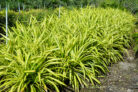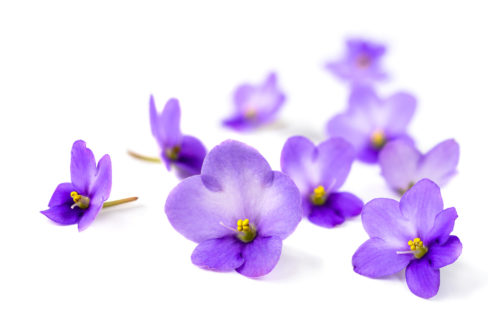
Violets (or *Viola*, if you want to get fancy) are those classic spring blooms we all love because they’re just so easygoing. If you’ve ever planted sweet violets as a groundcover under some light shrubs, you know the drill: once they’re in the ground, they pretty much take care of themselves. Plus, they’re great at self-seeding, so they’ll keep spreading the love year after year without you lifting a finger.
Violet Seeds
Whether you’re into sweet violets, horned violets, or cheerful pansies, they’re all absolutely charming and low-maintenance. It’s always a fun project to grow them from scratch using seeds.
What to Look For in Violet Seeds
You can pick up all sorts of violet seeds at your local garden center, but you can also play “seed hunter” in your own backyard. Once the flowers fade, they turn into little seed pods. When they’re ripe, these pods split into three sections and pop the seeds out. If you want to collect them yourself, keep a close eye on them between March and June so they don’t scatter everywhere before you get to them! Here’s what you’ll notice about the seeds:
- They’re round to egg-shaped.
- Colors range from light to dark.
- They have a smooth surface.
- They’re packed with endosperm (plant food!).
- Inside, there’s a straight embryo with two thick seed leaves.
- They need a “cold snap” and some light to wake up and sprout.
Sowing Your Seeds
You’ve got two choices here: sow them directly in the garden or start them indoors in trays. Since *Viola* seeds are “cold germinators,” they need a bit of a winter chill to get moving. If you plant them outside between August and March, Mother Nature takes care of that for you.
If you’re starting them in trays indoors, your homegrown seeds will need a little “stratification” (basically a fake winter). Just toss them in a plastic bag with some dry sand and stick them in the fridge at about 40°F (5°C) for at least two weeks. If you bought your seeds from a store, they’ve usually done this step for you.
Once they’ve had their cold nap, sprinkle the seeds onto some nutrient-poor seed-starting mix. Press them down firmly, but only cover them with a tiny, paper-thin layer of soil. Remember: these guys are “light germinators,” so they need some sunshine to wake up! Place your tray in a bright, warm spot and keep the soil consistently moist. They’re happiest at around 65°F (18°C), and you should see sprouts in about 14 to 18 days. Once the seedlings are sturdy enough to handle, you can thin them out and move them to their permanent home in your garden.