Foxgloves are interesting plants—they’re technically perennials, but most of them act like biennials. What does that mean for you and your garden? In this post, I’ll break down how their life cycle works and share a little trick to help them stick around a bit longer.
Most varieties are short-lived
In the wild, the vast majority of foxgloves are naturally biennial. Only a handful of specific species are true perennials that come back year after year on their own.
The growth phases of a foxglove
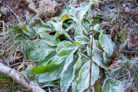
During their first year of growth, foxgloves are pretty low-key. They only produce a simple rosette of green leaves close to the ground. Keep a close eye on these so you don’t mistake them for weeds and accidentally pull them out during your spring cleanup!
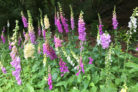
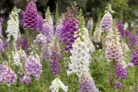
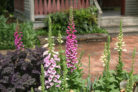
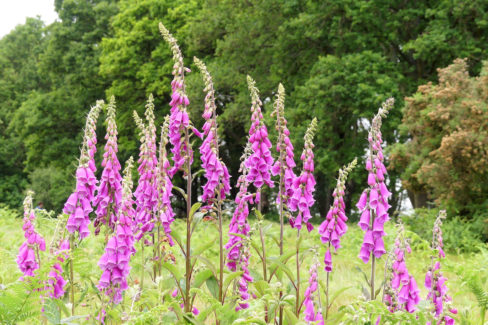
It’s not until the second year that the magic happens. A tall, slender flower spike shoots up from that leafy base. This is when the plant really shines during its blooming period. Usually, once the flowers fade and the seeds drop in the second year, the plant has finished its mission and dies off. It typically self-seeds, though, so you’ll often see new “babies” popping up nearby.
A clever trick to extend their life
While most foxgloves are naturally short-lived, you can use a little gardening hack to encourage them to bloom again the following year.
The secret is to prune the flower stalks all the way down as soon as the blooms start to wither. By cutting them back before they can go to seed, the plant doesn’t put all its energy into reproduction. This helps the leafy rosette survive another winter. Come next spring, you might get a fresh set of flower spikes! Just a heads-up: the second round of flowers usually isn’t quite as spectacular as the first big show.
Foxglove varieties that play along
Not every foxglove will respond to this pruning trick, but several biennial types are great candidates for “stretching” into perennials.
The following species are technically biennials but can often be coaxed into living longer:
- Yellow Foxglove
- Large-flowered Foxglove
- Woolly Foxglove
- Rusty Foxglove
- Dusky Foxglove
- Small-flowered Foxglove
- Turkish Foxglove
A quick tip for buying foxgloves
If you’re at the garden center, I’d actually recommend skipping the fully grown, flowering plants. They look great in the store, but they usually finish blooming within a few weeks and then die off. Instead, try starting them from seed yourself. It takes a little more patience, but you’ll get to enjoy the process for at least an extra year!