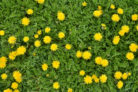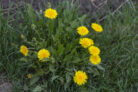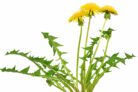
Almost everyone recognizes those bright yellow dandelions popping up in the yard, usually dismissing them as just another stubborn weed. But here’s a little secret: most people have no idea just how healthy this “wild plant” actually is! Common dandelion is completely edible and packed with nutrients that do wonders for the body. In this guide, I’ll show you how to start looking at dandelions as a powerful healing herb rather than a lawn nuisance.
Dandelion: The Superfood Hiding in Your Lawn
Who would’ve guessed? That fast-growing weed is actually a top-tier medicinal herb. From the flower head down to the tip of the root, the entire plant is edible and incredibly good for you. Here’s a breakdown of what each part brings to the table:
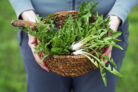
- Leaves: Dandelion greens actually blow spinach out of the water when it comes to iron content! They’re also loaded with Provitamin A.
- Flowers: The pollen in those yellow blooms is a great source of protein and essential minerals.
- Roots: The taproot contains a milky sap (especially in the spring) that acts as a fantastic digestive aid.
Pro tip: In the fall, that milky sap in the roots and stems changes into a sugar-like substance called “inulin.” This carbohydrate is a great option for diabetics because it’s very well-tolerated by the body.
Edible Dandelion: Benefits and Uses
Except for the flower itself, most parts of the dandelion have a pleasantly bitter, earthy flavor. This wild plant is famous for a variety of health-boosting properties, including:
- Strengthening the stomach
- Purifying the blood
- Astringent properties (great for wound healing)
- Acting as a natural diuretic
- Stimulating the kidneys and liver
- Boosting overall metabolism
- Helping the body flush out unwanted toxins
Whether you eat it as a wild vegetable or brew it into a hot tea, incorporating dandelion into your routine is a perfect way to do a “spring detox.” You can even turn the yellow petals into a soothing syrup that helps cleanse and strengthen the system. If you’re struggling with a loss of appetite or occasional constipation, snacking on raw dandelion root can really help get things moving.
Cooking with Dandelion: From Garden to Table
There are so many creative ways to use this edible medicinal plant in your kitchen:
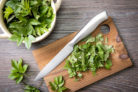
- Leaves: Toss them into salads, stir them into stews, or serve them as a side dish with potatoes or other veggies.
- Stems: Chop them up like chives! They’re great on top of buttered toast or as a garnish for soups.
- Fresh Roots: Slice them up and add them to veggie stir-fries or sautéed mushrooms.
- Flowers: Use them as a beautiful, tasty garnish for salads and spreads, or even fold them into desserts.
- Closed Buds: These can actually be pickled and used similarly to capers!
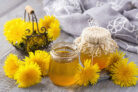
You can also make “dandelion honey”—a thick, delicious syrup made from the yellow petals. And if you’re in the mood for a comforting cup of tea, you can use either fresh or dried parts of the plant for a brew that’s as healthy as it is tasty.