We all think we can spot a dandelion from a mile away, right? It’s the classic childhood wildflower! But believe it or not, identifying them isn’t always a walk in the park. There are quite a few “look-alikes” out there that can trip you up. I’ve put together a quick guide to help you tell the difference between the real deal and its cousins.
Arugula or Dandelion? Two Tasty (and Safe) Greens
Because of those iconic jagged leaves, it’s super easy to mistake wild arugula for a dandelion. If you’re trying to figure out if you’ve found spicy arugula, let your nose and taste buds do the work! Arugula has a very distinct, sharp, peppery scent—almost like watercress. Dandelion leaves, on the other hand, have a much more straightforward bitter flavor.
Groundsel or Dandelion? A Dangerous Mix-up
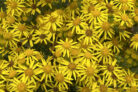
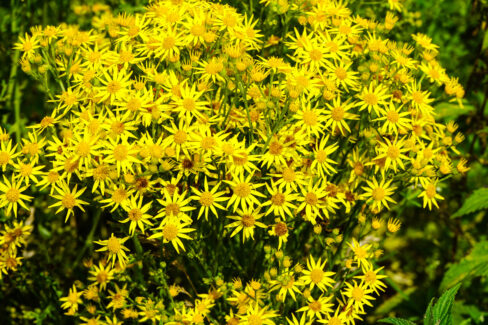
While mixing up arugula and dandelions is just a matter of taste, mistaking a dandelion for Groundsel (Ragwort) is a much bigger deal. Groundsel is toxic; it contains compounds that can cause liver damage and is considered carcinogenic. Here is how you can tell the healthy dandelion apart from the poisonous Groundsel:
- Groundsel flowers grow in clusters of several small flower heads.
- The individual flowers are much smaller than a dandelion’s.
- The plant grows taller than your average dandelion.
- Groundsel has leaves growing along the stem, whereas dandelions grow from a base rosette.
Hawkbit or Dandelion? Check the Seeds
Leontodon, often called “Fall Dandelion” or Hawkbit, is a dead ringer for the common dandelion. The biggest giveaway is the timing—it usually blooms much later in the year. But if you really want to be sure, look at the seeds:
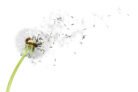
While the seeds of the Common Dandelion are attached to those iconic little “parachutes” by a tiny stalk (creating the classic puffball we love to blow on), the fluffy parachutes on Hawkbit seeds are attached directly to the seed itself.
Other Common Look-alikes
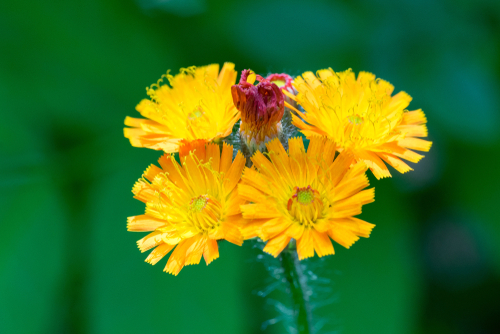
There are a few other members of the family that might confuse you. Hawkweed is a common one, but it usually has multiple small yellow flowers on a single stalk. Then there’s Meadow Hawksbeard, which can be distinguished by its hairy, rough leaves—a big contrast to the smooth, hairless leaves of a dandelion. Cat’s-ear is another frequent “imposter” you might run into in your yard.
How to Identify a Real Dandelion Every Time
If you’re looking to harvest dandelion leaves, the best time is actually before the plant blooms. To make sure you’re getting the good stuff (and definitely not toxic Groundsel), keep these “true dandelion” traits in mind:
- Only one flower head per stalk.
- Flowers are roughly 1 to 2 inches wide.
- The stems are completely smooth and hairless.
- The leaves are smooth and hairless.
- The flower stalks are hollow and filled with a milky white sap.