Since camellias can be a bit finicky to start from scratch, most people just grab a potted plant from the nursery. But if you’re up for a fun challenge, you can actually grow your own from cuttings or seeds! Just a heads-up: both methods require a healthy dose of patience.
The Difference Between Seeds and Cuttings
Besides the actual process, there’s one big difference you should know about. Growing from cuttings is a form of vegetative propagation. This means the “baby” plant will be a genetic clone of the mother plant. On the other hand, growing from seeds is generative propagation. In this case, the offspring might look totally different from the parent plant—so it’s always a bit of a surprise to see what blooms!
The Best Soil Mix
Camellia seeds and cuttings are pretty picky about their growing medium. Many experts swear by Seramis (clay granules) as the perfect substrate. These little granules are great because they:
- Hold onto moisture well
- Allow for excellent airflow
- Are completely sterile
Propagating from Cuttings
The best time to take tip or stem cuttings is in late June, right when the camellia is in its dormant phase. Always make your cut just below a leaf node, and feel free to snip off that bottom leaf.
Before you tuck your cuttings into the Seramis, it’s a good idea to dip them in a fungicide to prevent rot. To give them the best start, use a heating mat for bottom heat and a plastic humidity dome to keep the air moist. You’ll also want to set up a grow light (about 1,000 lux) and leave it on for at least 16 hours a day. Keep the substrate consistently damp, but not soggy.
Rooting can take anywhere from a few days to several months. These little guys aren’t really “stable” until they’ve been growing for about a year, so they’ll need some extra TLC during that first season.
Growing from Seed
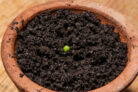
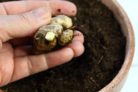
If you’re trying your luck with seeds, the trick is to place the seeds in the substrate with the “eye” facing downward. Keep the medium moist and wait for those tiny first leaves to pop up—fair warning, this can take up to six months! Once they sprout, you’ll need to trim the primary root slightly. After that, pop them back into the Seramis and care for them just like you would a cutting.