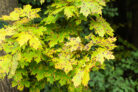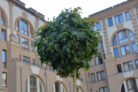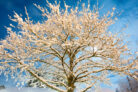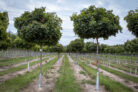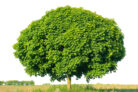
The Globe Maple (or Norway Maple ‘Globosum’) is a total showstopper in any yard. Not only does it look fantastic with that naturally round canopy, but it’s also pretty low-maintenance. However, even the toughest trees can run into some health issues now and then. If your tree is looking a little under the weather, don’t worry—I’ve got you covered on how to spot the signs and get your tree back to its best.
How do you identify and treat Globe Maple diseases?
Fungal spores are usually the main culprits when it comes to maple diseases. While perfect care won’t make your tree invincible, a healthy tree is much better at fighting off infections. That’s why keeping up with regular pruning and fertilizing is so important. Here are the three most common infections you should keep an eye out for:
- Powdery Mildew
- Tar Spot Disease
- Coral Spot (Nectria Canker)
Fighting Powdery Mildew on your Globe Maple
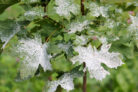
You’ll know you’re dealing with powdery mildew if you see a white, flour-like coating on the leaves that can actually be rubbed off. This fungus loves warm, dry weather, but it’s tough enough to survive the winter too. A great eco-friendly fix is a mixture of raw milk and water. Just mix about 4 ounces (125 ml) of fresh milk with a quart of water and spray the entire canopy.
If left alone, the white spots will eventually turn gray or brown. If the infestation gets out of hand, you’ll need to prune away the affected branches. Pro tip: Never put these clippings in your compost pile! The spores can survive there and reinfect your garden later.
Dealing with Tar Spot Disease
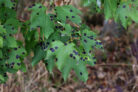
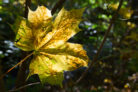
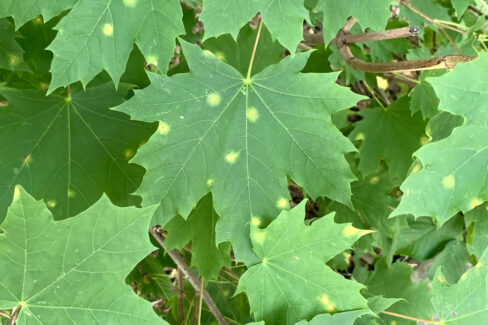
If you notice yellow spots popping up on your maple’s leaves in early summer, you’re likely looking at Tar Spot. Over time, these spots turn jet black (looking just like splashes of tar), and the tree will start dropping its leaves much earlier than usual. The good news? You don’t usually need heavy chemicals for this. The best move is to rake up every single fallen leaf in the autumn and dispose of them (or burn them if local ordinances allow) to stop the spores from sticking around until next year.
Treating Coral Spot on Globe Maples
Coral Spot is pretty hard to miss and is one of the most common issues for these trees. You’ll see bright, cinnabar-red pustules breaking out across the bark and shoots. If you don’t treat it, it can lead to nasty cankers that really damage the tree’s structure.
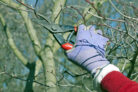
To fix this, wait for a dry day in the fall and prune the affected branches back into the healthy wood. You want to be aggressive here—cut at least 8 inches (20 cm) below the visible infection to make sure you’ve cleared it all out.