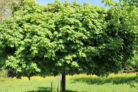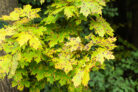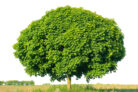
When your globe maple starts looking a little worse for wear, it’s usually a sign that something is off with its care routine or a pesky disease has moved in. If your tree is looking sad with drooping or spotted leaves, don’t worry—I’ve got some tips to help you get your globe maple back to its vibrant, healthy self.
Why are my globe maple’s leaves drooping?
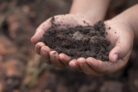
Globe maples are what we call “heart-rooters.” This means their roots mostly hang out just below the soil surface. Unless your soil is super loose and airy, those roots rarely dive deeper than about 30 inches. Because of this shallow root system, the tree drinks mostly from the top layer of soil, which makes it prone to “drought stress” during those hot summer months. To encourage the roots to grow a bit deeper, try watering less often but more deeply.
If you see limp, drooping leaves, your tree is sending you a clear SOS that it’s thirsty. You can use regular tap water or collected rainwater. For the first five years after planting, you’ll want to reach for the garden hose pretty regularly. Once the tree is established, watering during dry spells is usually enough. The trick is “deep watering”—leave the hose running at a trickle for about 30 minutes, two or three times a week, to make sure the moisture really gets down there.
Which diseases are affecting my tree’s leaves?
Diseases are often the culprit behind ugly foliage. To keep your globe maple from declining, you’ll need to step in and treat the issue. Here are the two most common problems you’ll run into:
- Powdery Mildew
- Tar Spot Disease
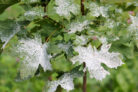
Both of these are fungal infections. You can spot powdery mildew by the white, flour-like coating on the leaves that you can actually rub off with your finger. But don’t just wipe it away—that won’t kill the fungus! A great home remedy is spraying the entire canopy with a mixture of water and raw milk. If the infestation is really bad, you might need to prune away the affected branches.
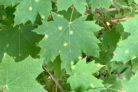
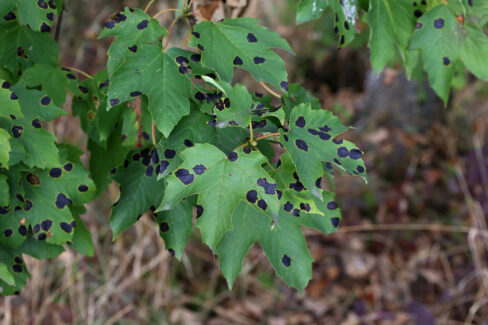
Tar spot disease gets its name from the distinct black spots with yellow halos that appear on the leaves, often causing the tree to drop its leaves earlier than usual. In the early stages, you’ll just see small yellow spots. There aren’t really any effective fungicides for this one, but you can manage it by being diligent: rake up every single fallen leaf and dispose of them (burning them is best if local ordinances allow) to stop the spores from spreading next season.