If your globe maple is looking a little under the weather, a fungus is usually the culprit. The good news? Most of these issues are totally treatable if you catch them early. The key is knowing exactly what you’re looking at so you can fight back effectively.
Which fungi typically attack globe maples?
Plants often deal with diseases caused by fungal spores. These pests love to pick on trees that are already a bit stressed, so the best defense is a good offense—keeping your tree healthy with regular fertilizing goes a long way. When it comes to globe maples, these are the usual suspects:
- Powdery Mildew
- Coral Spot
- Tar Spot
- Verticillium Wilt
How do you treat a fungal infection?
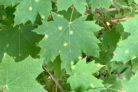
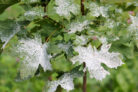
“Mildew” is actually a catch-all term for several types of fungi, but on globe maples, you’ll mostly run into Powdery Mildew. It looks like a white or grayish coating on the leaves that you can actually rub off with your finger. For a mild case, try this DIY remedy: mix about 4 cups of water with ½ cup of raw milk and spray it on the leaves as needed. If it’s spreading like wildfire, though, you’ll need to prune back the affected branches.
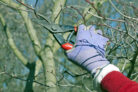
Coral spot is easy to spot because of the tiny, bright cinnabar-red pustules that pop up on the shoots. Over time, these can turn into canker-like growths. Unfortunately, home remedies won’t cut it here. You’ll need to prune away any infected branches, cutting at least 8 inches (20 cm) deep into the healthy wood to make sure you got it all.
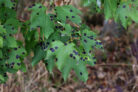
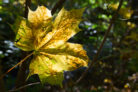
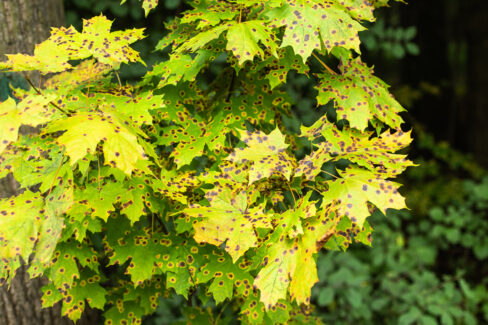
Tar spot is exactly what it sounds like. It starts as yellow spots on the leaves, which eventually turn black with a yellow ring around the edges. The good news? You don’t need heavy chemicals for this one. Since the fungus only lives on the leaves, just make sure to rake up and dispose of every single fallen leaf in the autumn. This prevents the spores from sticking around to reinfect the tree next year.
Can every fungal infection be cured?
Sadly, not every battle can be won. The dreaded Verticillium wilt usually starts with the tree losing leaves on just one side. This fungus essentially “clogs” the tree’s internal plumbing, preventing water and nutrients from reaching the branches. Currently, there is no known cure for Verticillium. Because it’s highly contagious to other woody plants in your garden, the safest move is usually to remove the tree entirely.