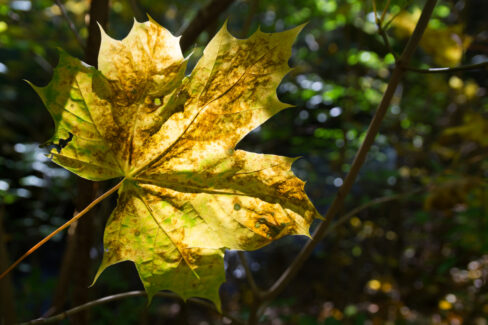
If your Globe Maple is dropping its leaves earlier than expected, it can definitely be a bit stressful! There are a few different reasons why this might be happening, but they all have one thing in common: you’ll want to act fast to save your tree. Let’s dive into why your tree might be losing its foliage and how you can fix it.
Why is my Globe Maple losing its leaves?
Generally, Globe Maples are pretty low-maintenance trees. However, if yours starts dropping leaves out of nowhere, it’s usually down to one of these common culprits:
- Watering issues (too much or too little)
- Diseases
- Fungal infections
What should you do if your tree starts dropping leaves?
First things first: play detective. Check the soil to see if it’s bone-dry or soaking wet. Then, take a close look at the bark, branches, and leaves for any signs of disease. Once you know what you’re dealing with, you can take the right steps to fix it.
Getting your watering routine right
Drought stress can actually happen in both summer and winter. Because Globe Maples have shallow root systems that spread out rather than down, they can’t reach water deep in the ground. Your tree will be happiest with a deep soak two or three times a week—early morning or evening is the best time for this. If it’s dropping leaves because it’s thirsty, give it a good drink immediately.
On the flip side, “wet feet” (waterlogging) can be just as bad and also causes leaf loss. When planting your tree, make sure the soil is nice and loose. If you see puddles forming around the base while watering, that’s your sign to stop!
Dealing with diseases and fungi
Most tree diseases are caused by fungi, but don’t worry—there are some great home remedies out there. Often, a good pruning back to the healthy wood is enough to save the tree. Here are a few common issues you can manage:
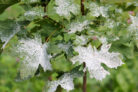
- Powdery mildew
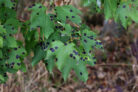
- Tar spot
- Coral spot
One thing to watch out for is Verticillium wilt. This nasty fungus usually starts on just one side of the tree before spreading. If you notice the leaves wilting and it’s clearly not just wind damage, it might be Verticillium. Unfortunately, there’s no cure for this one yet, and you’ll likely have to remove the tree to prevent it from spreading to the rest of your garden.