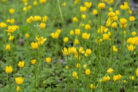
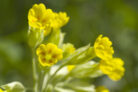
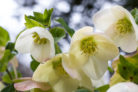
The Globeflower (Trollius) is a real showstopper that loves to keep its feet wet. Whether you’re out for a spring hike or relaxing in your backyard, those bright yellow, spherical blooms are hard to miss! In the wild, these beauties have become quite rare, which is why they are now a protected species. That means if you spot one in nature, take a photo, but definitely don’t pick it or try to dig it up!
When Do Globeflowers Bloom?
Like many of its cousins in the Ranunculaceae (Buttercup) family, the Globeflower sports a classic sunny yellow. What’s really cool is that the petals stay curved inward, forming a tight little ball. It takes a pretty strong insect to force its way inside to get to the nectar! Because of this “exclusive” entry, the plant often ends up self-pollinating.
Wild Globeflowers usually start showing off in April and wrap up by June. However, thanks to some clever breeding, garden varieties can keep blooming all the way into August. We’ve also seen the color palette expand—you can now find these “butterballs” in stunning shades of orange and even crisp white.
Once the flowering season ends, the plant develops small follicles (seed pods). These seeds are either carried away by the wind or hitch a ride on the fur of passing animals to find a new place to grow.
Fun Facts About the Globeflower
The Globeflower belongs to the buttercup family, and there are about 30 different species in the genus. The bright yellow version we know and love is actually the only species native to Europe. Depending on where you are, you might hear it called by some charming nicknames like:
- Buttercup (though it’s a specific type!)
- Goldcup
- Butterball
- Globe Ranunculus
It’s even got some prestige under its belt—it was officially named “Flower of the Year” back in 1995.
Growth and Habitat
The Globeflower is a perennial herb that typically reaches between 8 and 24 inches in height. It starts with a base of dark green, deeply lobed leaves that look like little rosettes. Interestingly, as the plant begins to bloom, these base leaves often die back, leaving the smaller, three-parted leaves that grow directly on the stems.
In the wild, you’ll find them across Europe and Western Siberia. They’re big fans of high altitudes and can be found climbing as high as 10,000 feet! In your garden, they’ll be happiest in partially shaded, damp meadows or tucked along the edges of ponds and streams. Just make sure the soil is rich, full of organic matter, and—most importantly—stays consistently moist.