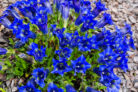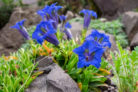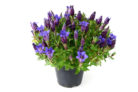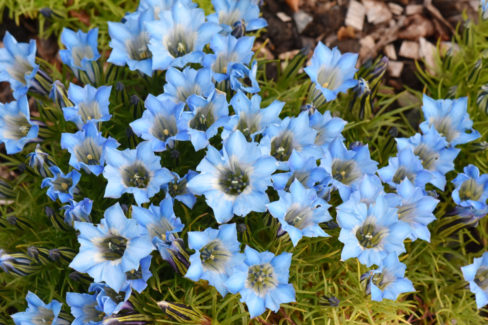
The azure-blue Gentian is the ultimate symbol of the high mountains. If you’ve ever gone hiking in the summer, you’ve probably spotted these beauties tucked away in rocky wild meadows. The most famous variety is the Clusius Gentian—it only grows about 4 inches tall, but those vibrant, trumpet-shaped blue flowers are absolute showstoppers.
When Do Gentians Bloom?
There are actually about 400 different species of Gentian, and each one has its own specific blooming schedule. If the weather is just right, some varieties will even treat you to a second bloom! These stunning alpine flowers are a favorite for home gardens, especially if you have a rock garden. While the classic deep blue is the fan favorite, you can also find red, yellow, and white varieties to keep your garden colorful at different times of the year.
A Guide to Gentian Bloom Times
Gentians start showing off in early spring and can keep going for months. In fact, if the weather stays mild, you might even see some blooms as late as December!
- Spring Gentian: Blooms from March all the way to August, often with a second showing in the fall.
- Clusius Gentian: Look for these from May through June.
- Koch’s Gentian: These beauties bloom from May to August.
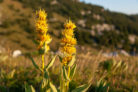
- Yellow Gentian: A summer favorite, blooming from June to August.
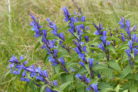
- Red or Purple Gentian: These show up from July to September.
- White Gentian: This rare variety blooms in July and August.
- Gentiana septemfida: A summer variety from Turkey that starts blooming in July.
- Gentiana triflora: An Asian variety that brightens up the late summer.
- Autumn Gentian: The grand finale of the season! It starts in September and can last until December.
Fun Facts About Gentians
Gentians belong to the *Gentianaceae* family, with roughly 400 species found worldwide. In Central Europe, there are about 35 protected species mostly found in the Alps. These hardy perennials have become popular additions to home gardens in recent years. By mixing different species, you can practically have Gentians in bloom all year round! While we usually think of them as small, blue, trumpet-shaped flowers, they come in various colors and heights. For example, the Yellow Gentian can actually reach heights of up to three feet when it’s in full bloom.
If you’re lucky, you might even spot a “White Gentian” in the wild. These are actually “albinos” caused by a pigment glitch, usually showing just a tiny hint of blue deep inside the flower. According to old folklore, if you find a white Gentian, there’s a treasure buried nearby. Happy hunting!