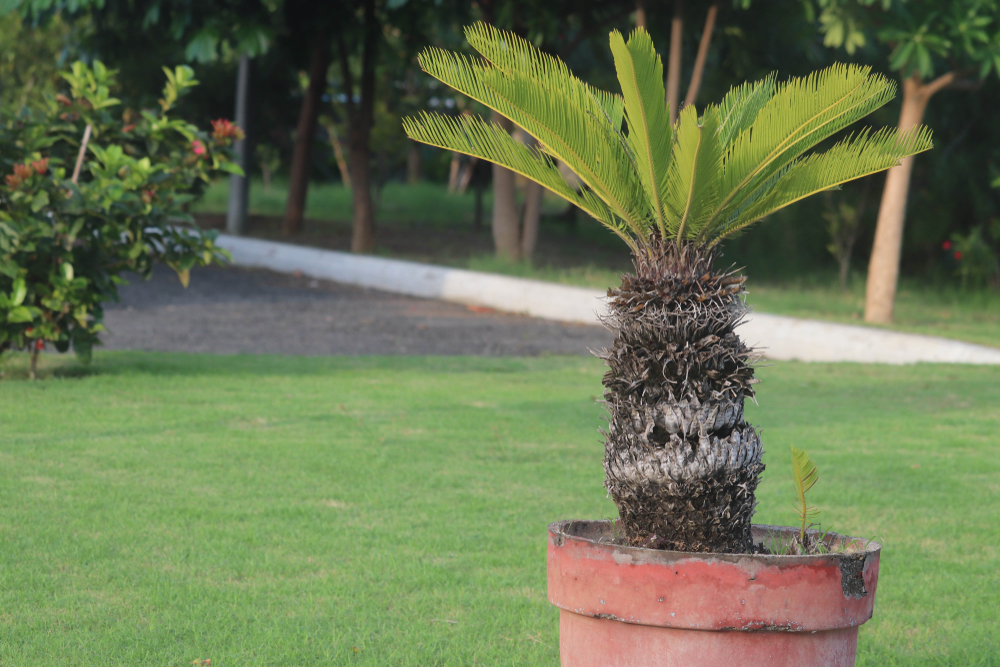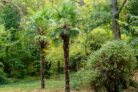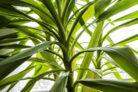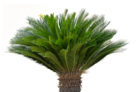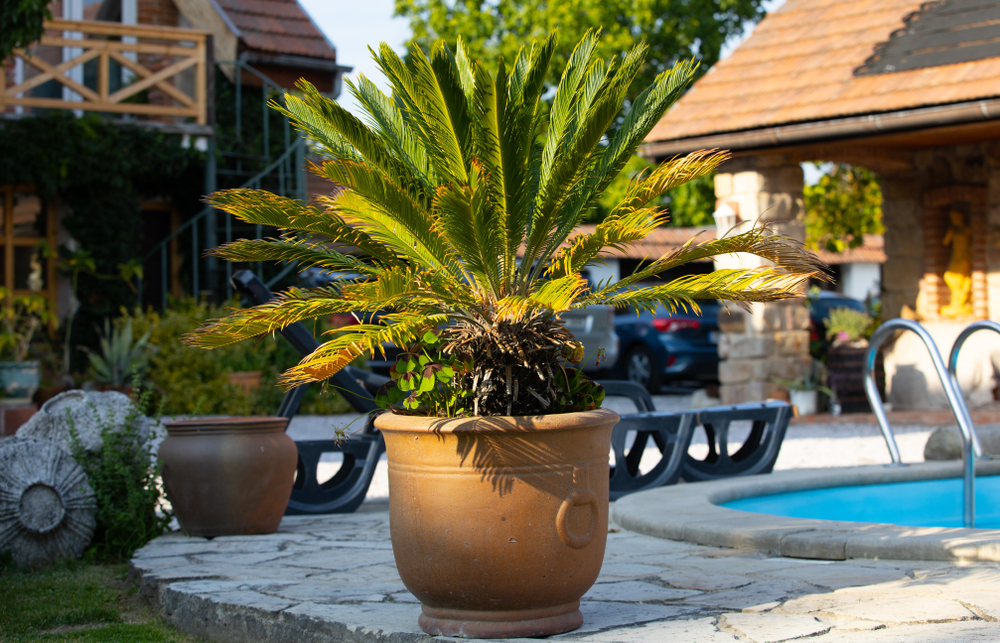
The Date Palm (Phoenix palm) is a tough, low-maintenance beauty that generally doesn’t need much fussing with. However, every now and then, you’ll need to tidy up old fronds or brown tips to keep it looking its best without hurting the plant.
Understanding Growth
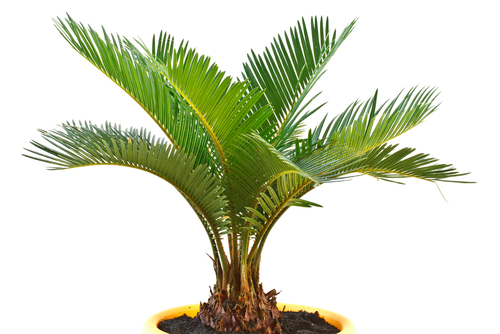
Like all palms, the Date Palm grows exclusively from its center. This “heart” is where the terminal bud lives, and it’s responsible for pushing out all those new fronds. If you’re planning on doing some trimming, remember the golden rule: never cut the top off! Topping a palm is a death sentence for the plant.
As the palm pushes out fresh growth from the top, it prioritizes sending nutrients to those new leaves. Naturally, the older fronds at the bottom of the trunk start getting less “food” and will eventually dry out. This is exactly when you’ll need to step in with your shears.
How to Prune the Right Way
To keep your Date Palm happy and healthy, you’ll want to handle the pruning like a pro.
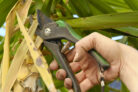
It’s totally normal for bottom fronds to wither as new ones emerge. You might also notice brown tips if things get a little too scorched out on the patio during a heatwave. To get your palm back to looking picture-perfect, you can trim those brown spots away.
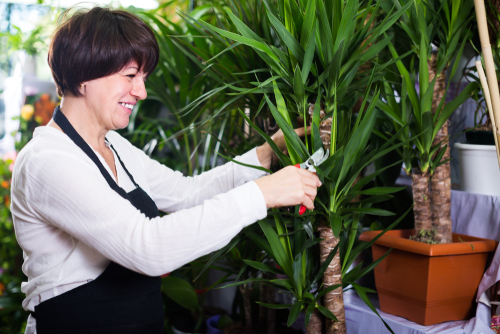
- Grab a pair of sharp garden shears.
- Clean the blades with rubbing alcohol to prevent spreading any plant diseases.
- Cut the dried-out frond away, but…
- Be careful not to cut into the healthy green part of the leaf.
- Leave about a millimeter of the brown edge behind to ensure you don’t wound the living tissue.
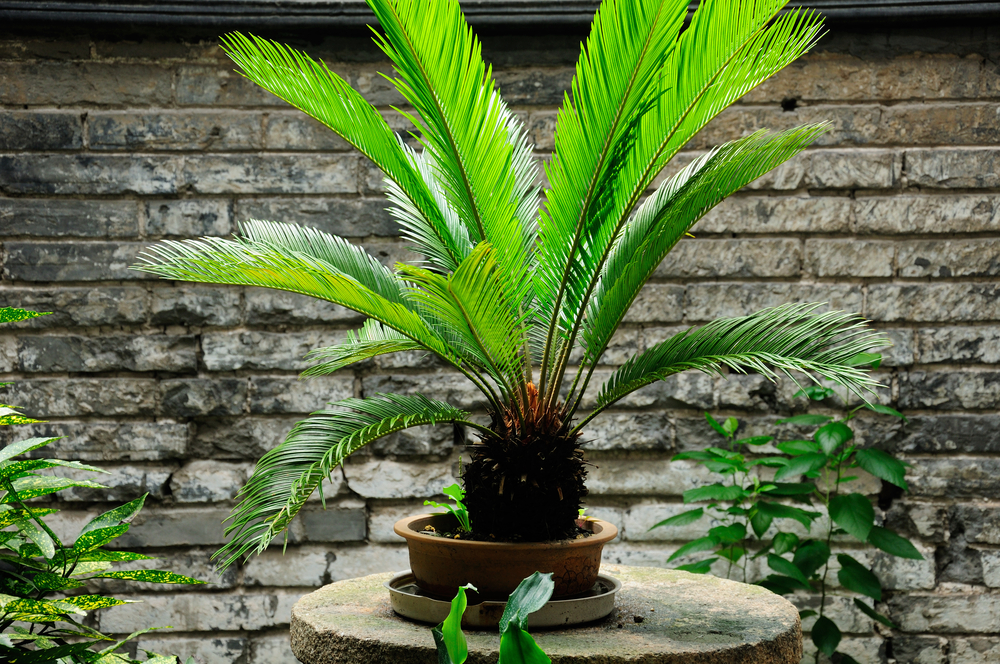
When you prune this way, your palm will eventually develop that classic, thick trunk with the textured leaf bases. If you’re dealing with a particularly thick frond that a knife can’t handle, a small hand saw will do the trick—just make sure to disinfect it first!
For those dry tips on the leaves, just give them a light trim. Again, make sure you don’t nick the green parts of the foliage.
One thing to watch out for is leaf fungus, which shows up as brown or black spots on the fronds. If you spot this, don’t wait for the frond to dry out on its own. The longer it stays on the plant, the higher the risk of the fungus spreading. In the case of a fungal infection, remove the affected fronds immediately and toss them in the trash (not the compost!) to keep your garden healthy.