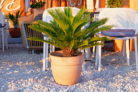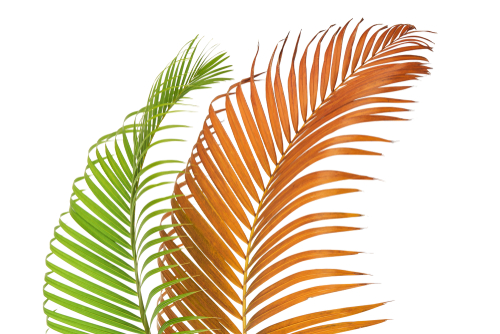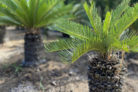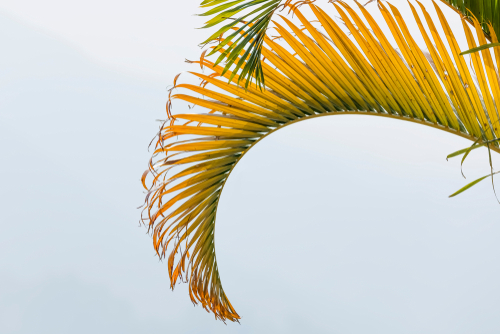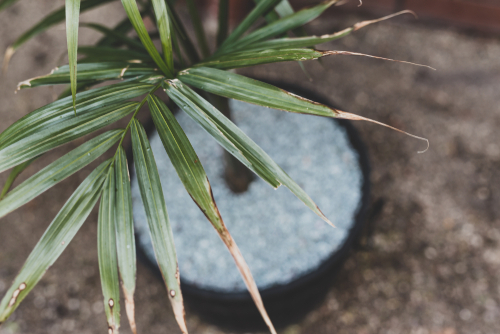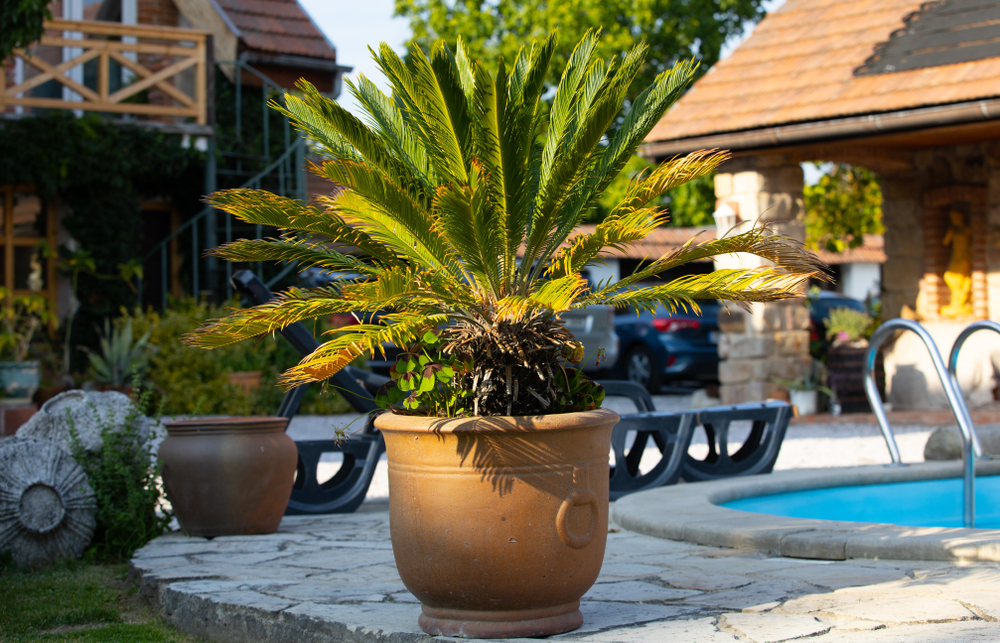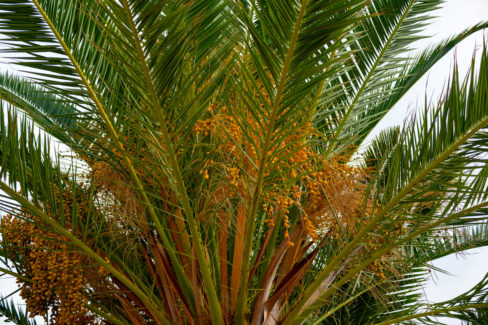
The Canary Island Date Palm is a tough-as-nails beauty that looks just as great in your sunroom or living room as it does out on the patio. Usually grown in containers, these palms are famously low-maintenance. If you spot a brown frond every now and then, don’t panic! It’s often just a natural part of the plant’s life cycle. However, if your palm is starting to look a bit crispy all over, it’s usually a cry for help due to a care mishap or some uninvited pests.
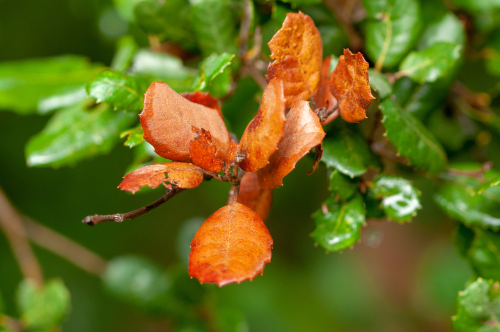
Why Are the Fronds Turning Brown?
If you’re seeing a lot of brown leaves, your palm is definitely trying to tell you something is off. Here’s a quick checklist of what to look for:
- Soil moisture: Is it waterlogged or bone-dry?
- Humidity: Is the air too dry for a tropical plant?
- Temperature: Did it get hit by a surprise frost over the winter?
- Sunburn: Is it getting scorched by intense, direct sunlight?
- Pests: Are there tiny critters hitching a ride?
Watering Your Canary Island Date Palm the Right Way
During the growing season, you want to keep the root ball consistently moist. The golden rule? Wait until the top layer of soil feels dry to the touch before reaching for the watering can. You definitely want to avoid “wet feet” (standing water), as this leads to root rot. Pro tip: Add a drainage layer of expanded clay or pumice at the bottom of your pot to help things flow. If you see water sitting in the saucer, dump it out immediately. In the winter, scale back—just give it enough water so the roots don’t completely dry out.
Humidity is Key
Dry indoor air is the number one enemy of lush green fronds. Since these are tropical plants at heart, they crave moisture in the air. Give your palm a regular misting with a spray bottle to keep it happy. You can also set out bowls of water nearby or run a humidifier to mimic that tropical vibe.
Sun and Frost Protection
If your palm has been vacationing indoors all winter, don’t just toss it into the bright sun come spring. It needs time to acclimate. Direct, intense midday sun can actually sunburn those delicate fronds.
If you live in a climate where your palm stays outside year-round in a sheltered spot, you’ve got to protect it from frost during the cold months. Freezing temperatures will turn those beautiful green fronds brown and crispy in no time.
Dealing with Pests
Pests love it when the air is dry, so keep that humidity up! If you do spot some bugs, here’s how to handle the most common culprits:
- Mealybugs: Isolate the plant and spray it with a mix of water, rubbing alcohol, and a little dish soap.
- Scale Insects: Give the plant a good shower and wipe away the scales with soapy water. If it’s a bad infestation, you might need an insecticide.
- Spider Mites: Shower the plant off, then wrap it in clear plastic for two weeks. The high humidity trapped inside will send the mites packing.
- Red Palm Weevil: This is usually only a concern if your plant is outdoors. If you suspect these guys, you’ll need to call in a pro to handle it.