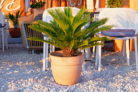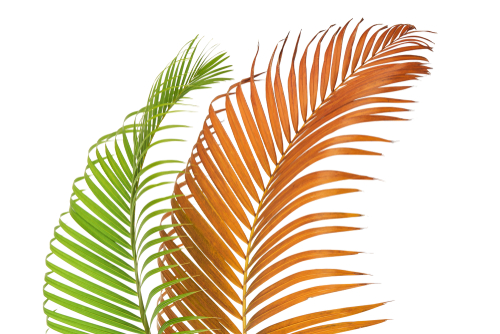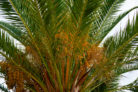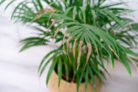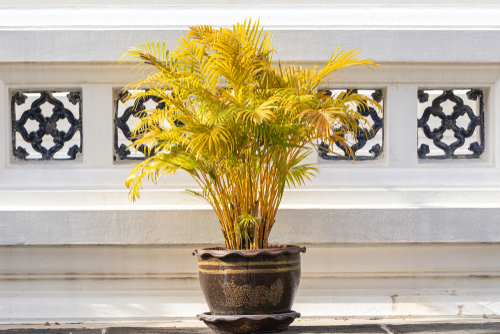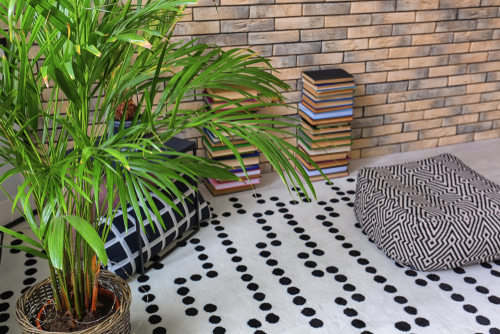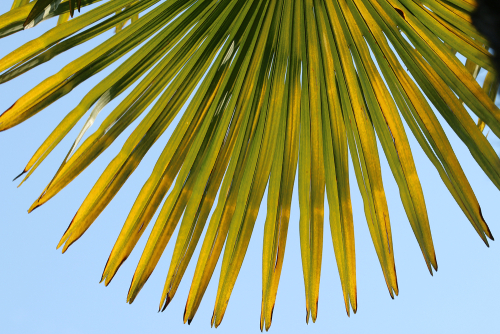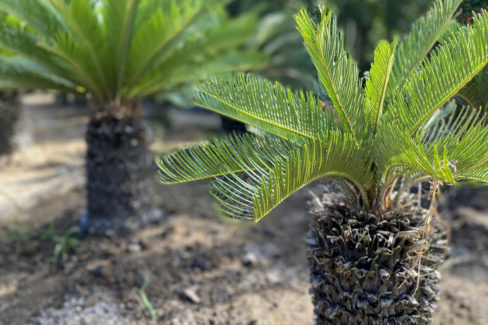
The Pygmy Date Palm is a total favorite for home gardeners because it brings those instant Mediterranean vacation vibes right into your living room. Since these little palms are slow growers, they can hang out in your indoor space for years before reaching their full height. However, they do need a little extra TLC to stay looking lush and green—otherwise, you might start seeing those dreaded brown leaves.
Why is my Pygmy Date Palm turning brown?
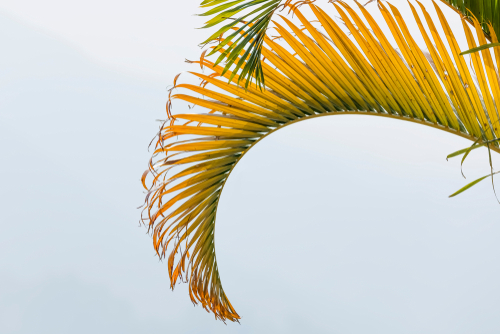
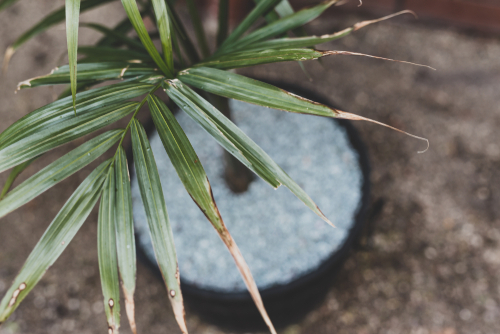
If your palm starts sporting brown fronds, don’t panic! While diseases can happen, they’re pretty rare. Usually, brown leaves are just your plant’s way of telling you it’s unhappy with its environment or care routine. Here are the usual suspects:
- Sunburn
- Moving shock (changing locations too fast)
- Overwatering or “wet feet”
- Dry air
- Nutrient deficiency
Sunburn and Location Changes
If you’re planning on moving your Pygmy Date Palm outside for the summer, you’ve got to take it slow. Think of it like a “tanning schedule”—give it just a few hours of outdoor time a day to start. If you move it from a dim corner straight into the blazing sun, the fronds will react by turning brown from the shock.
Those brown spots you see are often literal burns from intense sunlight. The spring sun can be surprisingly harsh on tender fronds that have been indoors all winter. To keep it safe, let your palm acclimate in a spot with partial shade before moving it into brighter light.
Watering the Right Way
In their native tropical habitats, these palms pull moisture from the humid air when rain is scarce. Since our homes tend to be much drier, we have to make up for it with the watering can. You’ll want to water as soon as the top layer of soil feels slightly dry.
The golden rule? Avoid “wet feet.” You never want the root ball sitting in stagnant water. To prevent this, always add a drainage layer of expanded clay pebbles or coarse gravel at the bottom of the pot when planting. This ensures any extra water can flow right out.
Humidity is Key
As a tropical native, the Pygmy Date Palm craves high humidity. If the air is too dry, the leaf tips will be the first to turn brown. You can fix this by giving your plant a regular misting with a spray bottle, or by placing water bowls or a small fountain nearby. If your palm is spending the winter indoors near a heater, a humidifier is a total game-changer for keeping the climate just right.
Feeding Your Palm
During the growing season (April through September), your palm needs a snack every two weeks. Use a universal plant food or a specialized palm fertilizer. I personally recommend using a liquid fertilizer mixed into your watering can—it helps the nutrients spread evenly through the soil.
Once winter hits, put the fertilizer away! The Pygmy Date Palm doesn’t need extra nutrients during its rest phase. If you keep feeding it in the winter, you’ll end up over-fertilizing, which—you guessed it—leads to more brown fronds.