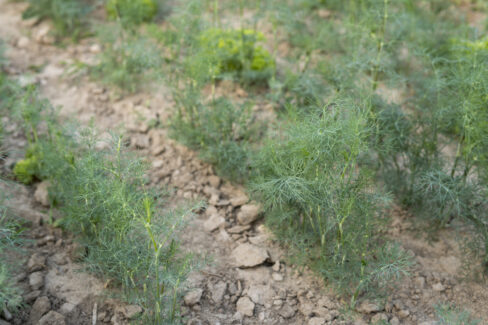
If you love spending time in the kitchen, you know there’s nothing quite like the bright, fresh flavor of homegrown dill. It’s a game-changer for pickles, salads, and fish dishes! If you’ve been thinking about starting your own herb patch in the garden or even just on your windowsill, you’re in the right place. Let’s walk through how to get your dill off to a great start.
Is Dill an Annual or a Perennial?
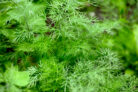
Dill is an annual plant, which means you’ll need to plant it fresh every year. However, it’s a bit of a “volunteer” plant—it loves to self-seed, so don’t be surprised if you see little dill babies popping up near last year’s spot! If you don’t keep it trimmed back by harvesting it regularly, it can reach heights of up to three feet.
Where is the Best Place to Plant Dill?
Dill isn’t particularly picky and will grow in most spots, but if you want a really healthy, productive harvest, there are a few things to keep in mind. Your dill will be happiest if the spot is:
- Sunny or partially shaded
- Protected from strong winds
- Sheltered from harsh weather (like heavy hail)
- Well-draining
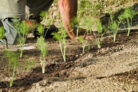
One thing dill absolutely hates is “wet feet” (standing water). If your soil is heavy clay, make sure to loosen it up and mix in some sand or fine gravel to improve drainage. Give your plants some breathing room, too—if you’re planting in rows, aim for about 3 inches between plants and 12 inches between rows.
Bonus tip: Dill is a fantastic companion plant! It naturally repels aphids and cabbage moths. It gets along great with:
- Peas
- Cucumbers
- Carrots
- Kohlrabi
- Lettuce
- Onions
When Should You Plant Dill?
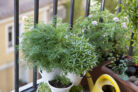
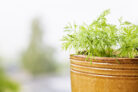
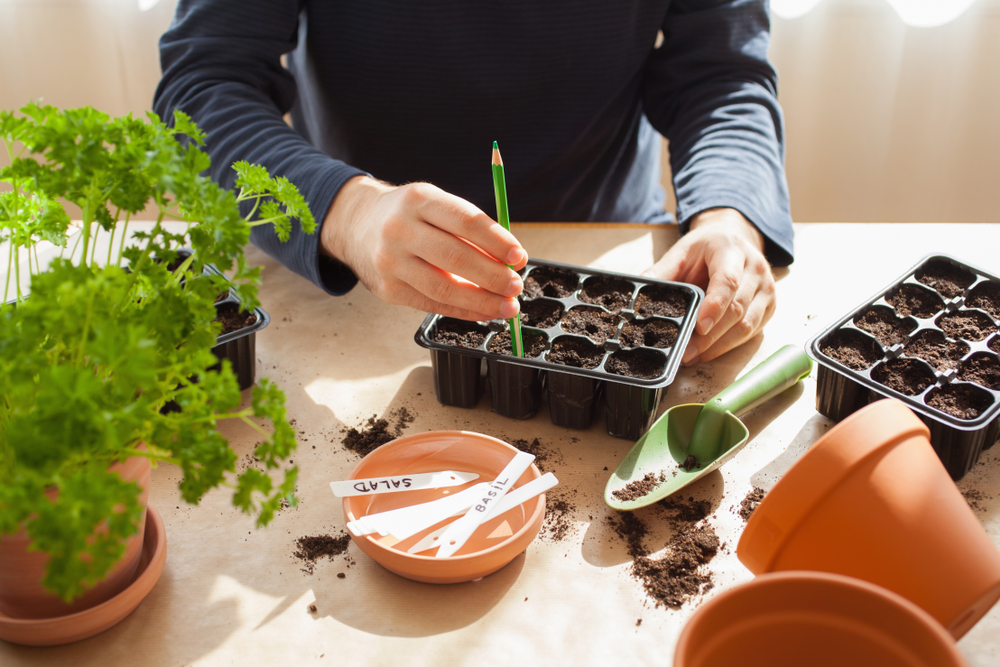
If you’re growing on a balcony or windowsill, you can start as early as March. Just a heads-up: dill has a sensitive taproot and doesn’t like being moved, so it’s best to plant it directly into a deep pot rather than transplanting it later. If you have a sheltered raised bed, you can start in late April. For direct sowing in the garden, wait until mid-May when the danger of frost has passed.
If you’re hoping to harvest your own dill seeds, make sure to get them in the ground by June so the plant has enough time to flower. If you’re just looking to use the fresh fronds or preserve them for later, you can plant as late as August.
How Do You Actually Plant Dill?
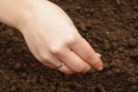
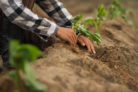
Growing dill starts with sowing the seeds. Since dill seeds need light to germinate, don’t bury them deep in the dirt. Because the seeds are so tiny and light, just press them gently into the soil or cover them with a very thin dusting of earth so they don’t blow away.
Keep the soil consistently moist, but be gentle when watering—you don’t want to wash the seeds away! You should start to see those first little sprouts popping up in about three weeks.