Lovage, often called the “Maggi herb” because of its savory scent, smells just like a rich vegetable broth. It’s been a garden favorite for ages because it’s so versatile in the kitchen. But before you can start whipping up tasty dishes, you’ve got to get the harvest right. Here are my best tips on how and when to pick your lovage for the best flavor.
Harvesting starts in the spring
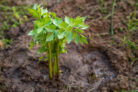
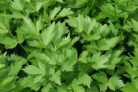
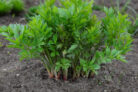
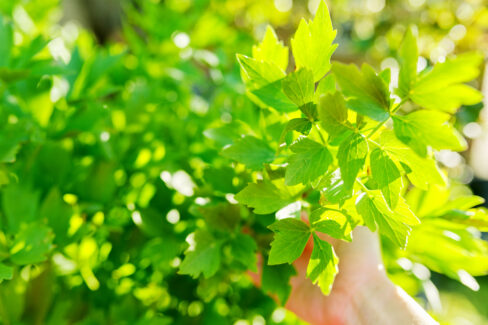
The absolute best time to harvest lovage leaves is in the springtime. The plant starts waking up in April, and by early May, you’ll see those first big, lush leaves ready to go. These young, fresh leaves are incredibly aromatic and tender. As we move into summer, the plant starts to develop more bitter compounds, so early is definitely better!
You can keep harvesting about once a month all the way through September. Just a pro tip: try to pick your leaves before the plant starts to flower for the best taste.
Harvest the leaves with the stems
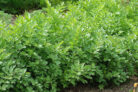
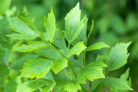
When you’re ready to harvest, take the leaves along with their stems. You can cut the stems near the base or at a branch in the stalk. Don’t be shy about pruning—lovage is a total survivor and will bounce back and regrow in no time.
If you’re in a hurry, you can also just pluck the leaves by hand. Once you’ve got your haul, give the leaves and stems a quick rinse to get rid of any dirt, then tie them into a bundle.
Don’t forget the seeds and roots!
Did you know you can harvest more than just the leaves? Lovage seeds and roots are also great to have on hand. If you want the seeds, wait until mid-summer after the plant has finished blooming. If you’re after the roots, the best time to dig them up is in the early spring or late fall.
Endless ways to use it in your kitchen
You can use this herb fresh from the garden or dry it for later. Freezing is another fantastic option that helps it stay fresh for a really long time, meaning you can enjoy that homegrown flavor even in the middle of winter.
Flavor-wise, lovage plays well with many other spices, but it’s a match made in heaven with garlic. Try tossing the seeds into a salad dressing or adding them to your favorite bread dough for an extra kick.
You can use lovage leaves to level up all sorts of dishes:
- Stews and soups
- Sauces
- Dressings
- Roasts and meats
A quick heads-up: Watch for pests
Keep a sharp eye out while you’re harvesting! It’s pretty common to find black aphids hanging out on the leaves or stems. If you spot these little pests, make sure to remove them and toss any heavily infested parts of the plant right away.