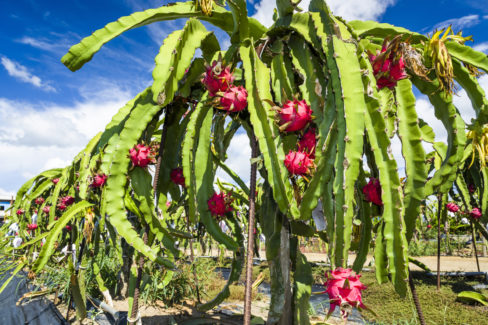
Ever thought about growing your own dragon fruit? Believe it or not, this exotic cactus can actually thrive in your home or garden, as long as you keep it cozy and frost-free during the winter. Now, getting it to actually produce fruit takes a bit of elbow grease and patience, but the payoff is totally worth it!
Starting from Seed
You can absolutely grow dragon fruit from scratch using seeds. One pro tip: if you’re dreaming of a harvest, you’ll want to grow several plants from different seeds. Dragon fruit plants need genetic diversity for successful pollination. While you can grow them from cuttings, that’s usually best if you just want a cool-looking ornamental plant rather than a fruit producer.
Growing pitahaya from seed is pretty straightforward, but you’ve gotta have patience. Like most cacti, these seeds can take weeks or even months to sprout. Some cactus seeds are even known to hang out for years until the conditions are just right!
For sowing your seeds, grab some cactus mix or whip up your own by mixing compost with plenty of sand (aim for about 2/3 sand). A mini indoor greenhouse is perfect for this. Since dragon fruit seeds need light to germinate, don’t bury them—just press them gently onto the surface of the soil.
The Perfect Spot
Since dragon fruit hails from warm, tropical climates, it’s a total sun-worshiper. During the summer, find a spot outside where it can soak up the rays all day long. Just make sure it’s shielded from harsh winds. These plants aren’t big fans of getting soaked, either; if they sit in the rain for too long, they can start to rot.
A quick summer shower is fine as long as it warms up and dries out afterward, but if the forecast calls for days of rain, move your plant somewhere sheltered.
When winter rolls around, your dragon fruit needs a frost-free sanctuary. A heated sunroom or greenhouse is ideal. You’re looking for a “sweet spot” temperature between 50-60°F (10-15°C). Try not to keep it *too* warm in the winter, though, or the plant might get lazy and skip flowering next season!
Care and Maintenance
The good news? Pitahaya is actually pretty low-maintenance. Like most of its cactus cousins, it doesn’t need a ton of water or fertilizer. In the spring, you can give it a little extra water to wake it up from its winter nap. Otherwise, always let the soil dry out completely before reaching for the watering can.
During the growing season and right at the start of the blooming phase, you can treat your plant to some liquid cactus fertilizer. Just don’t overdo it—once a month is plenty.
The Harvest
Since we don’t have the natural pollinators here that dragon fruit has in the wild, you’ll have to play “busy bee” and pollinate the flowers by hand. It’s a bit of a project, but once you’ve successfully grown a fruit, you’ll know it’s ready to pick when the skin turns a vibrant, solid pink. That’s your cue to harvest and enjoy!