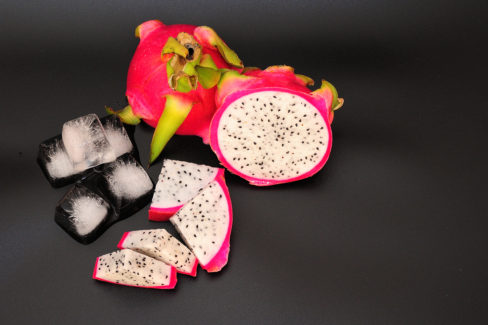
If you’ve ever sliced open a dragon fruit, you’ve probably noticed those tiny black seeds scattered throughout the flesh. The cool part? If your fruit is nice and ripe, you can actually save those seeds to grow your very own plants! Dragon fruits are members of the cactus family, which means they’re pretty hardy—though you’ll definitely want to keep them indoors or in a frost-free spot once winter rolls around.
Harvesting the Seeds
First things first: grab a ripe dragon fruit and scoop out the seeds. Just like many other fruits, dragon fruit seeds are coated in a slippery, gel-like layer. While this protects the seeds in nature, it can actually prevent them from sprouting if you don’t remove it.
To get them ready for planting, try fermenting them for a few days in a small container of water with a pinch of sugar. This helps break down that gel and any leftover fruit bits. Once they’re clean, pour them through a fine-mesh strainer and give them a good rinse under the tap. Now they’re ready to hit the soil!
Sowing the Seeds
When it comes to growing dragon fruit, there’s one golden rule: these seeds need light to germinate. That means you shouldn’t bury them under the soil. Since dragon fruit is a cactus, it thrives in lean, sandy soil. For your seed-starting mix, blend some compost or potting soil with plenty of sand. This keeps the texture loose and ensures the water drains well.
Step-by-Step Planting:
- Fill a seed tray or mini indoor greenhouse with your soil mix.
- Scatter the seeds evenly across the surface.
- Gently press them down so they make contact with the soil (but don’t cover them!).
- Give them a light misting with a spray bottle.
- Put the lid on your greenhouse to keep the humidity in.
Dragon fruit seeds love warmth—aim for a consistent temperature of about 77°F (25°C). If it’s cooler, they’ll take much longer to wake up. Even in perfect conditions, don’t be surprised if it takes several weeks to see green sprouts. During this time, make sure the seeds never dry out. Give them a regular misting and pop the lid open occasionally to let some fresh air in so you don’t run into mold issues.
Caring for Your Seedlings
Keep that moisture consistent until you see those little sprouts popping up. Once the seedlings appear, give them a few more weeks to get established and develop a decent root system before you start moving them around.
When they look sturdy enough, it’s time to transplant them into their own individual pots. Remember, these are cacti, so “wet feet” (standing water) is their worst enemy. Make sure your pots have drainage holes and a bottom layer of lava rocks or gravel for drainage. You can keep using your DIY sandy soil mix or switch to a commercial cactus potting soil. Keep the watering moderate, and honestly, you usually don’t even need to worry about fertilizer at this stage. Happy planting!