The exotic dragon fruit has become a grocery store staple all year round. Thanks to its high nutrient count and low calorie density, it’s definitely earned its “superfood” status over the last few years.
Where It All Starts
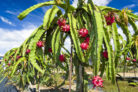
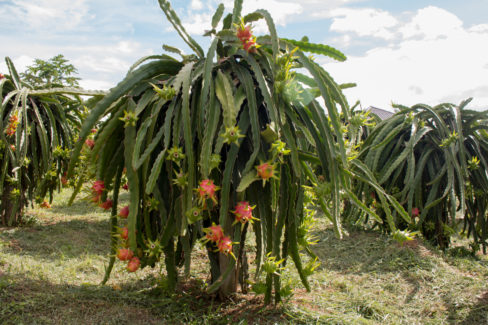
Dragon fruit actually comes from a cactus, which you can tell by the way it grows and its absolutely stunning flowers. These blooms can reach a massive diameter of up to 20 inches! However, if you’re growing one as a houseplant, the flowers usually stay a bit smaller and rarely produce fruit on their own. The reason? They’re missing their natural pollination partners, so you’d have to step in and do the job by hand.
In its native homes of Central and South America, nature takes care of this through various animals. It’s not just insects doing the work; larger flying mammals like bats also love visiting these flowers for a snack.
Growing Regions
Even though it’s native to the Americas, dragon fruit can be grown anywhere with a similar tropical climate. In many of these commercial growing regions, farmworkers often have to pollinate the plants by hand because the local wildlife doesn’t always do the trick. The window for pollination is incredibly tight, too—a dragon fruit flower only opens for a single night!
Major growing regions include:
- China
- Vietnam
- Israel
Nicaragua is one of the few original native countries that still grows dragon fruit in large quantities for export. Because they have a long journey ahead of them, the fruits are often harvested before they’re fully ripe, which is why you’ll sometimes find slightly underripe ones at the supermarket.
Spotting a Ripe Fruit
You’ll know a dragon fruit is ready to eat when the skin has turned completely pink. There shouldn’t be any green spots left. Just a heads-up: fruits that have traveled a long way to get to your store might be a little less flavorful than those ripened on the vine.
Once you have a ripe dragon fruit, you’ll want to eat it pretty quickly. It’s best kept in a cool spot, but avoid the fridge—it’s actually not the ideal place for long-term storage.