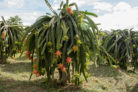
You can find dragon fruit at the grocery store pretty much year-round these days. The secret to its constant availability is that it’s grown in various regions both north and south of the equator. Because the harvest seasons are offset depending on the hemisphere, there’s always a fresh crop ready to ship somewhere in the world.
Growing Dragon Fruit
Growing dragon fruit is actually a bit of a labor of love. While the plants themselves are relatively low-maintenance, getting them to fruit is a whole different story. To get a good harvest, you usually need two genetically different plants for cross-pollination. Plus, in the wild, these plants rely on nocturnal visitors like moths and bats to do the heavy lifting. In many commercial growing areas, these natural pollinators aren’t around, which means farmers have to pollinate the flowers by hand!
The dragon fruit flower is a real night owl—it only opens for a few hours during the night. Since dragon fruit is part of the cactus family, these blooms are absolutely massive, sometimes reaching up to 20 inches in diameter.
Harvesting Dragon Fruit
When dragon fruit is destined for export, it’s usually picked before it’s fully ripe. This helps the fruit survive the long journey across the ocean without getting bruised or spoiled. While they do ripen a bit during transit, they never quite develop that peak, sugary aroma you get from a fruit that ripened right on the vine.
When you’re shopping for dragon fruit, you’ll want to look for ripe fruit. A good rule of thumb is to look for a vibrant, solid pink skin. If you see green patches, leave it on the shelf—it’s not quite ready for prime time yet.
Available All Year Round
Dragon fruit is native to Central and South America, with Nicaragua being a major producer. Generally, the fruit you see from July to December comes from South America. During the rest of the year, our supply usually comes from regions north of the equator. Vietnam is a huge player in the dragon fruit market, and China also grows a significant amount for export.