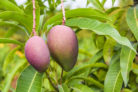
Can you actually grow a pear tree from a single seed? You bet! While it takes a little patience, starting a pear tree from scratch is a super rewarding garden experiment. Here’s how you can try it yourself.
How to Grow a Pear Tree from Seed
- First, grab a ripe pear (store-bought or homegrown works fine). Enjoy the fruit, but save those little black seeds!
- Timing is everything. You’ll want to start the actual growing process in January, so keep your seeds in a dry spot until then.
- Once January rolls around, soak your seeds in lukewarm water overnight. Here’s a pro-tip: if any seeds float to the top, toss them out. Only the ones that sink are viable and ready to grow.
- The next day, grab a two-liter freezer bag and fill it about a quarter of the way with potting soil. Tuck your seeds about 2 inches (5 cm) deep into the dirt.
- Now for the “chill” part: put the bag in your refrigerator (around 40°F or 4°C) for 60 days. Pear seeds need this cold treatment, called stratification, to “wake up” and germinate.
- After two months, fish the seeds out of the bag and soak them in water again for two days. This extra hydration helps them sprout even faster.
- Time to plant! Fill small pots with soil and plant the seeds about half an inch (1.5 cm) deep.
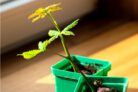
- Keep the soil consistently moist. If all goes well, you’ll see tiny green leaves popping up in about 2 to 3 weeks.
- Once your seedling has grown its fourth leaf, it’s time to move it into a larger pot so the roots have room to stretch.
- Wait until May—after the danger of the last night frost has passed—to let your little tree move outdoors.
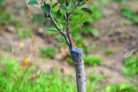
- When your tree reaches about 8 inches (20 cm) tall, it’s ready for its forever home in the ground. Just make sure to pick a sunny spot that pears love!
- Don’t forget to protect your “baby.” Use a small fence or cage to keep deer and other hungry critters from snacking on the tender bark.
What will your pears taste like?
Here is the fun part: pears aren’t self-pollinating. This means every seed contains a unique mix of genetics from two different trees. Your new pear tree will be one-of-a-kind! Will the fruit be delicious? You won’t know until the first harvest. Growing from seed is always a bit of a gamble, but that’s what makes it such a cool experiment.
Other ways to grow pears
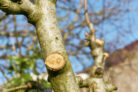
If you want a guaranteed flavor, grafting or budding is the way to go. This involves taking a branch from a tree you already love and joining it to another rootstock. You can even grow multiple varieties on one single tree! And hey, if your seed-grown tree eventually produces fruit that isn’t tasty, you can always use it as a base to graft on a better-tasting variety later.
Quick Tip: Want to skip the refrigerator step? Just plant your seeds in a pot of soil in the fall and leave them in a protected spot outside over the winter. Nature will handle the cold treatment for you!