If you’re looking to expand your collection of Windmill Palms (Trachycarpus fortunei), you should know right off the bat: seeds are the only way to go. While growing them from scratch isn’t exactly rocket science, it is definitely a test of patience. It can take up to four years before you have a palm that actually looks like a palm!
What You’ll Need to Get Started
To get your own seeds, you’re going to need a “he” and a “she.” Windmill Palms are dioecious, meaning individual trees are either male or female. You’ll only get fruit (and therefore seeds) if the female flowers get pollinated.
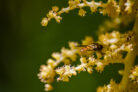
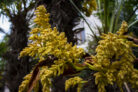
You can tell them apart by their colors: female palms sport light green blossoms, while the males show off bright, golden-yellow flowers. To play matchmaker, just grab a small paintbrush. Gently swirl it inside the male flowers to pick up some pollen, then brush it onto the female flowers.
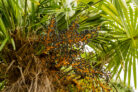
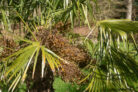
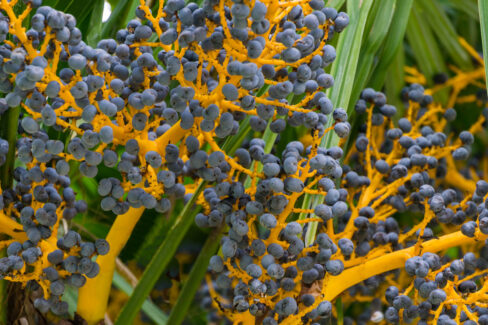
Once fertilized, the seeds will ripen over the winter, usually around December or January. Don’t rush the harvest! Wait until they are completely dry on the tree; once they’re ready, they’ll shake right off.
Step-by-Step: Growing Your Windmill Palm
- Soak your seeds in water for about 24 hours to prep them.
- Fill your starter pots with a high-quality seed-starting mix.
- Pro tip: Lightly scuff the seed coats with a bit of sandpaper to help them sprout.
- Plant the seeds and cover them with just a thin layer of soil.
- Place the pots in a warm spot and keep the soil consistently moist.
Now comes the hard part: waiting. It can take a full year just for those seeds to germinate! Once they do, you’ll see tiny seed leaves emerge. Just remember, it’s a marathon, not a sprint—expect it to take three to four years to see a mature-looking plant.
Caring for Your Seedlings
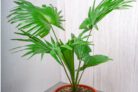
Once your little seedling hits about four inches tall, it’s time for an upgrade. Move it to a larger pot with well-draining soil. A mix of garden soil, compost, peat, and fine gravel usually does the trick.
Make sure to water your young palm regularly, but hold off on the fertilizer for the first few years. The plant actually gets all the nutrients it needs from the seed casing itself. Also, keep in mind that these youngsters aren’t frost-ready yet. You’ll need to overwinter them indoors in containers. They usually aren’t tough enough to handle being planted outside year-round until they’re at least four years old.