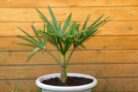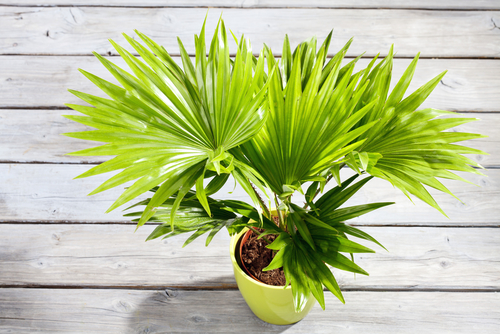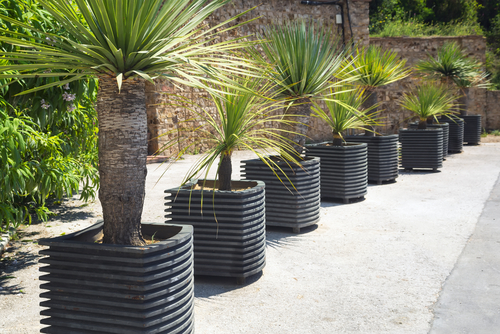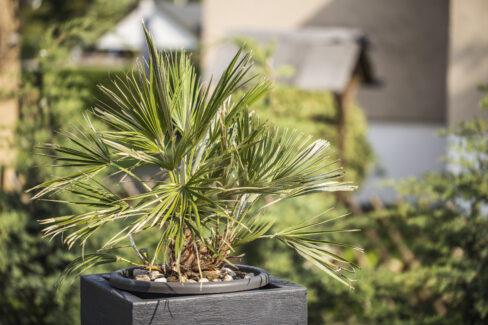
The Windmill Palm is one of those awesome hardy palm varieties that can actually handle life in a container on your balcony or patio during the winter. But don’t let its “tough guy” reputation fool you—you can’t just leave it out in the freezing cold without a little TLC. A bit of prep work goes a long way in making sure your palm bounces back in the spring.
Finding the Perfect Winter Spot for Potted Palms
If you’ve got a cool, bright spot in a stairwell or an unheated entryway, your Windmill Palm will be happy as a clam spending the winter there. Indoors, they’re pretty low-maintenance; just give them a splash of water every now and then. However, if you’re keeping your palm outside, location is everything. Try to find a spot shielded from the wind, like right up against a house wall. A covered porch or under a garage overhang is even better because it keeps the plant away from freezing rain and heavy snow. Trust me, it’s often the icy meltwater sitting in the crown, rather than just the cold, that really stresses these plants out.
Protecting the Roots and Foliage
Think of your potted palm like a hiker—it needs the right “winter gear” to prevent frostbite on its roots and leaves. While these palms can technically survive temperatures down to 0°F (-18°C), our winters can sometimes throw even nastier curveballs. You’ll want to insulate the root ball and the trunk using breathable materials like:
- Coconut fiber mats
- Garden fleece or frost blankets
- Burlap
- Brushwood
- Pine or fir branches
Cover the soil surface with pine branches and wrap the pot and the plant itself in fabric to keep the moisture out. Don’t panic if the very tips of the leaves get a little brown from the cold—the palm will survive that. However, you really want to protect the “heart” (the center growth point), because if frost damage hits the crown, the plant usually won’t recover.
Wintering Indoors
If you decide to bring your Windmill Palm inside, remember that it still craves a bit of sunshine, so pick a bright room. Check the soil regularly and water it whenever the top inch feels dry to the touch. As for food? You can pretty much skip the fertilizer during the winter months, or at least cut back significantly while the plant is resting.