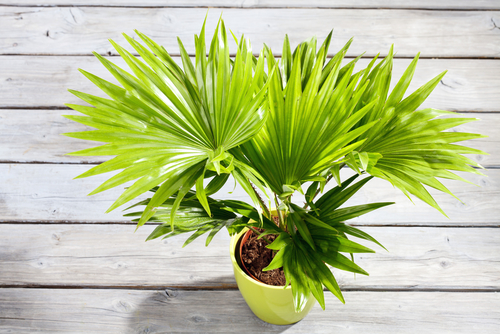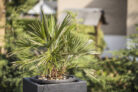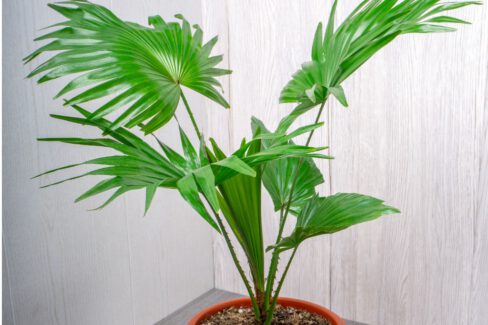
Windmill Palms (Trachycarpus fortunei) are huge favorites for indoor plant lovers. They’re relatively low-maintenance and those iconic fan-shaped fronds look absolutely stunning on a sunny windowsill. However, once winter rolls around, these palms have slightly different needs than they do during the growing season. If you want to keep your indoor palm happy until spring, here’s everything you need to know about overwintering them properly!
The Hardy Windmill Palm
The cool thing about the Windmill Palm is that it’s not just a houseplant; it actually thrives outdoors too. In many regions, it’s famous for being a “hardy palm” that can stay planted in the ground year-round. While outdoor palms need a little extra protection from deep freezes, overwintering an indoor potted palm is actually pretty straightforward. You just need to find a spot that meets its specific winter cravings.
What to Keep in Mind for Indoor Overwintering
Even though they are tropical-looking, Windmill Palms actually prefer a “cool down” period during the winter. Most of the time, a standard heated living room or a sunny windowsill is actually a bit too warm for them this time of year. Instead, a bright stairwell, a sunroom, or even a well-lit basement is usually a better bet. Here is the checklist for the perfect winter home:
- A room temperature between 40°F and 50°F (6–10°C)
- Plenty of light
- Direct sunlight is totally fine (and encouraged!)
- Protection from cold drafts
If you’re keeping your palm in a hallway or stairwell, don’t worry if it gets some direct sun. You’ll want to keep watering your palm regularly so the root ball doesn’t dry out completely. However, go ahead and skip the fertilizer until spring—your palm is just taking a little “nap” and will grow much slower during this time.
Wintering Outdoors if Possible
If you have a balcony or a patio, you might consider overwintering your palm outside. Just a heads-up: this only works if the plant is mature, as younger palms aren’t quite hardy enough to handle the frost yet. If you go this route, find a sheltered spot against a wall or under an eave. To play it safe, wrap the pot in coconut fiber mats and cover the fronds with garden fleece to make sure your leafy friend doesn’t freeze when the temperatures dip below zero.