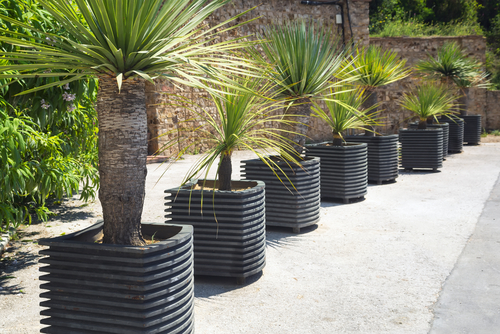
Fan palms are the ultimate way to bring those tropical, vacation vibes right into your living room, balcony, or patio. Their gorgeous, architectural fronds are so addictive that you’ll probably find yourself wanting a whole forest of them! The good news? If you have a little patience, propagating fan palms is totally doable.
Growing Fan Palms from Seed
If your fan palm is producing fruit, you can harvest the seeds directly. Otherwise, you can easily pick some up at a local garden center or online. The best time to start your seeds is between late summer and fall. Here’s how to get started:
- Grab some small starter pots or seed trays.
- Fill them with a high-quality palm potting mix.
- Feeling DIY? You can mix your own using compost, a little peat moss, gravel, sand, and lava granules.
- Press the seeds into the soil and cover them with a light, loose layer of dirt—don’t bury them too deep!
- Keep the soil consistently moist, but make sure it’s not soggy. Palms hate “wet feet.”
- Place the pots in a bright spot, but keep them out of direct, scorching sunlight.
Now comes the test of patience: it can take several months for seeds to germinate. You’ll likely see the first little sprouts popping up by spring. Once they’re a few inches tall, move each seedling into its own individual pot. Pro tip: Covering the pots with a clear plastic bag or humidity dome creates that warm, tropical climate they love.
Propagating Fan Palms via Cuttings
You can only propagate via cuttings if your palm starts growing side shoots or “pups” directly from the base or roots. If you’re lucky enough to see this, wait until spring and use a clean, sharp knife to carefully detach the shoot. Plant your new “mini-palm” in a pot with palm soil and keep it moist. Just like with seeds, a plastic cover helps maintain humidity—just remember to lift it daily to let in some fresh air. Once you see new growth, you’ll know it has successfully rooted!
Can You Divide a Fan Palm?
While many perennials can be dug up and split in half in the fall, fan palms are a different story. Because they grow from a single trunk that supplies everything the plant needs, you can’t just slice the main plant in two. However, while repotting, keep an eye out for any small offshoots growing next to the main root system. If you find one, you can carefully separate it from the mother plant and treat it just like a cutting.