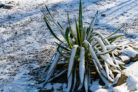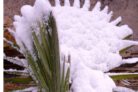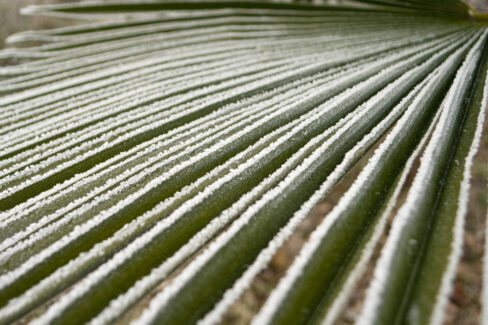
The Windmill Palm is generally known for being a pretty tough, winter-hardy species. However, even these hardy palms can suffer from frostbite if the weather gets too extreme. You’ll usually notice this when those vibrant green fronds turn a sad shade of brown after winter. To keep your palm looking its best, it’s all about protecting it from the worst of the frost and cold.
How much cold can a Windmill Palm actually handle?
Since Windmill Palms originally come from the highlands of China, they’re actually quite used to chilly temperatures. If planted in the ground, an established, older palm can survive temperatures as low as 0°F (-18°C) without dying. But here’s the catch: that only applies to mature palms planted in the garden. If your palm is in a pot, it’s much more vulnerable and can only handle about 20°F (-6°C). For young saplings, your best bet is to bring them indoors for the winter.
Even if the plant survives the cold, the leaves might not be so lucky—especially if the winter is both freezing and damp. That’s when you’ll see those brown, dying tips. Don’t panic, though! Just trim off the brown fronds in the spring, and your palm will bounce back with fresh new growth.
Trimming those brown fronds
When it comes to pruning those brown leaves, make sure they are completely dry first. Don’t cut them flush against the trunk; instead, leave about an inch or two (around 4 cm) of the leaf base on the plant.
When is it too late to save the plant?
Brown leaves and crispy tips are usually no big deal—the plant will recover. However, if the “heart” of the palm (the center growth point) freezes, it’s unfortunately game over. You can tell the heart is damaged if the very center of the palm turns brown or if the trunk feels soft and mushy. That’s a sign that the frost has caused internal rot, and the plant likely won’t make it.
Protecting your palm from frost and moisture
If you’re overwintering your potted palm on the patio instead of bringing it inside, you’ll need to bundle it up tight with some insulating materials. Some great options include:
- Burlap sacks
- Garden fleece or frost blankets
- Coconut fiber mats
The trick is to wrap the pot itself to protect the roots and drape some garden fleece over the fronds. Finally, move the pot to a spot that’s shielded from the wind and rain to give it the best chance of thriving until spring.