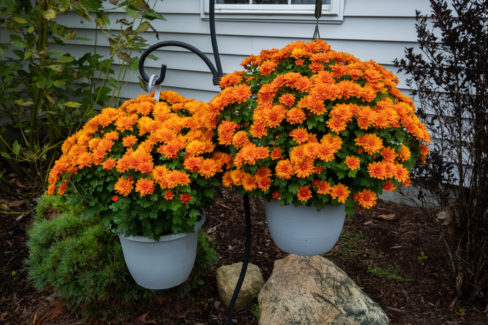
Hardy chrysanthemums (or “mums,” as we love to call them) are total rockstars in the fall garden, and the good news is they can survive the winter whether they’re in the ground or in pots. While garden-planted mums usually just need a light layer of brush or evergreen branches to get through the cold, potted mums require a little more TLC to make it to spring.
Overwintering Potted Chrysanthemums
Once the blooming season wraps up or that first hard frost hits in late autumn, it’s time to prep. Start by cutting your mum bushes back to about 4 inches (10 cm) high. This is a crucial step because it helps prevent rot and fungal issues from setting in during the damp winter months. Next, you’ll need to figure out which “winter home” is best for your plant. This depends on whether you have a truly hardy variety or a more sensitive one—so definitely check the plant tag or ask at the nursery when you buy them!
The Hardy Mums
If you’ve got a truly frost-hardy variety—like the *Chrysanthemum rubellum* (the ‘Clara Curtis’ autumn mum is a classic favorite)—you can keep them outdoors in their pots, provided the containers are large enough. Move them to a spot shielded from the wind and rain, like right up against a warm house wall or under a breezy garden shelter. Keeping them dry is key! Cover the root ball with some evergreen boughs or brush for extra insulation. Avoid using fallen leaves or compost, though; they tend to trap moisture, which can lead to root rot.
If your pots are on the smaller side, they might freeze solid. To prevent this, you can actually “sink” the pot into the ground in your garden to let the earth insulate the roots. Another pro tip? Place the pot on a wooden board or a piece of Styrofoam to block the rising cold from the ground, and wrap the pot itself in burlap or bubble wrap.
The Sensitive Mums
For the more delicate varieties, you’ll want to bring them indoors to a frost-free spot. Great options include:
- An unheated sunroom or conservatory
- A frost-free greenhouse
- A bright basement
- A garage with a window
- A cool hallway
Just like the hardy ones, give these a good trim before moving them in. You don’t need to cover the soil for indoor storage, and you definitely shouldn’t fertilize them during their winter nap. Scale back your watering significantly—just make sure the root ball doesn’t dry out completely. Wait until the threat of night frost has passed in the spring before moving them back to their usual sunny spot, as those fresh new shoots are super sensitive to the cold!