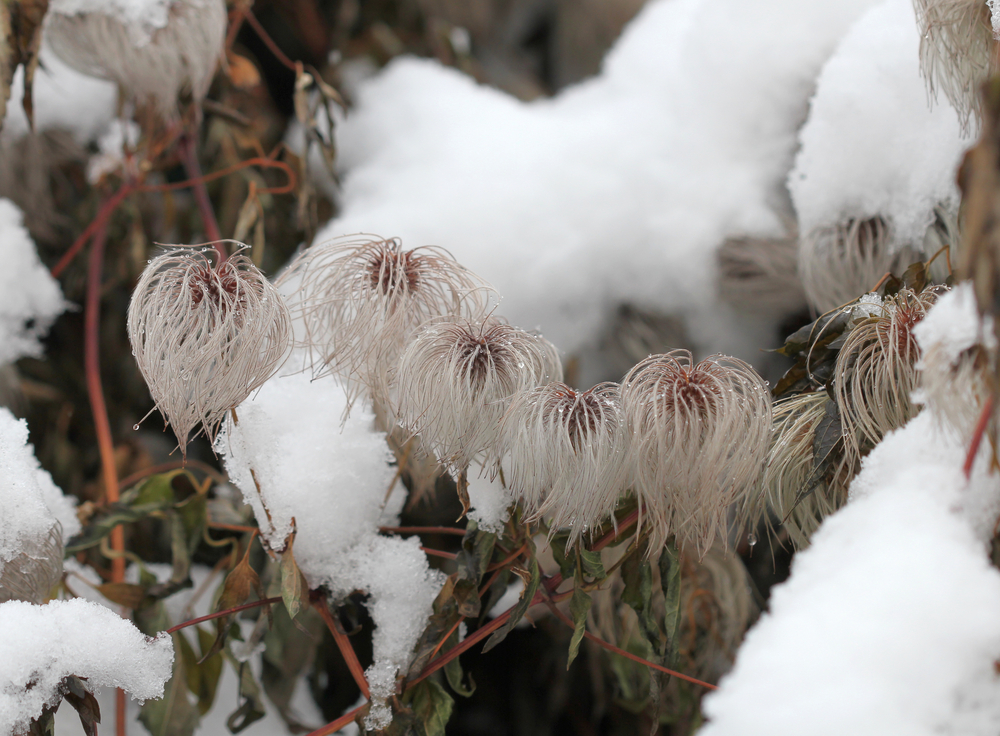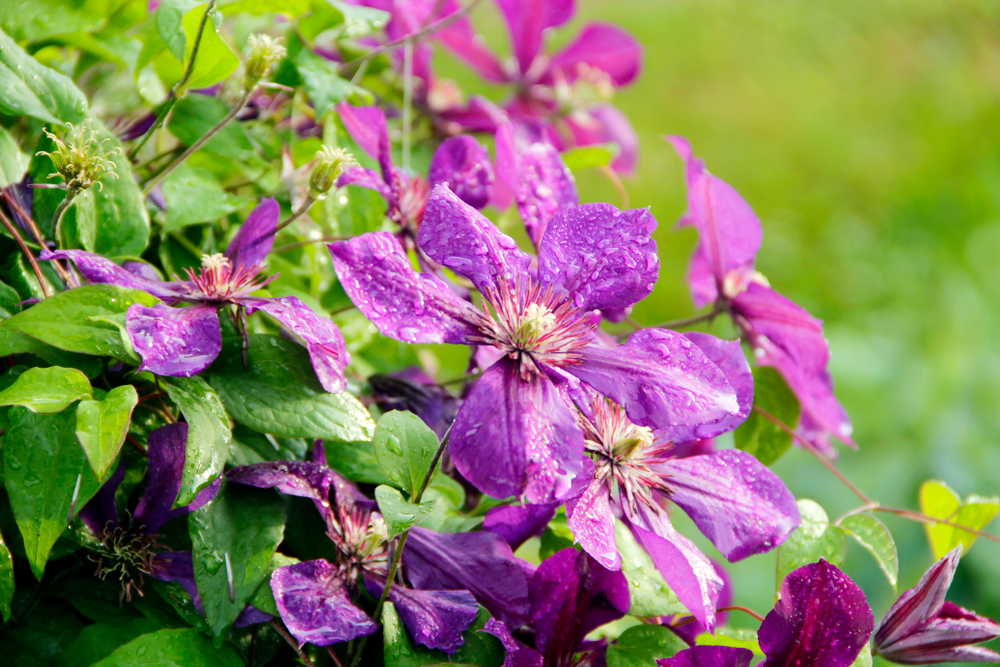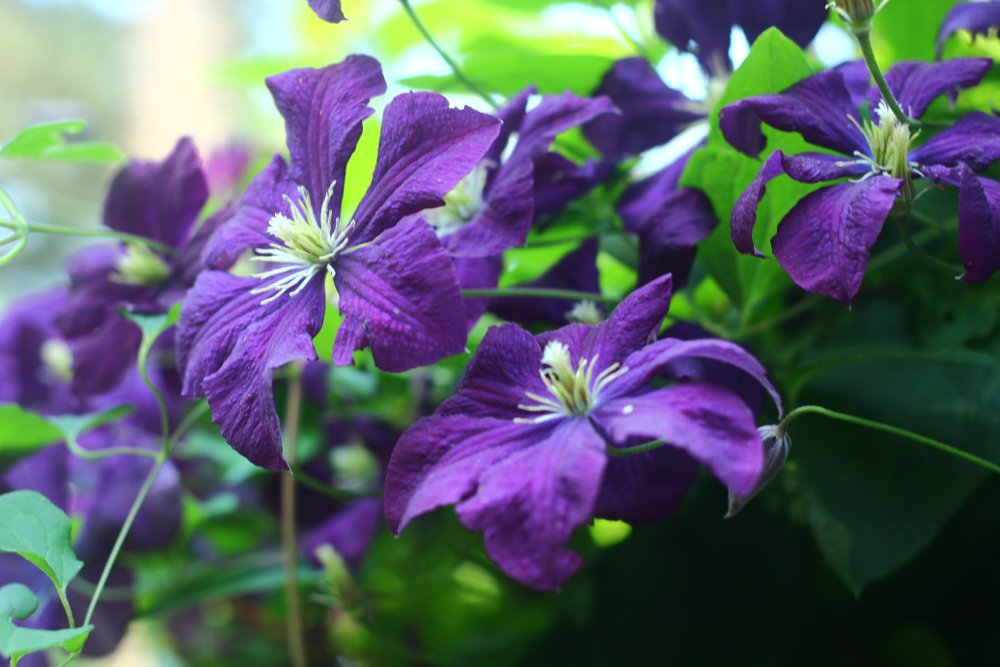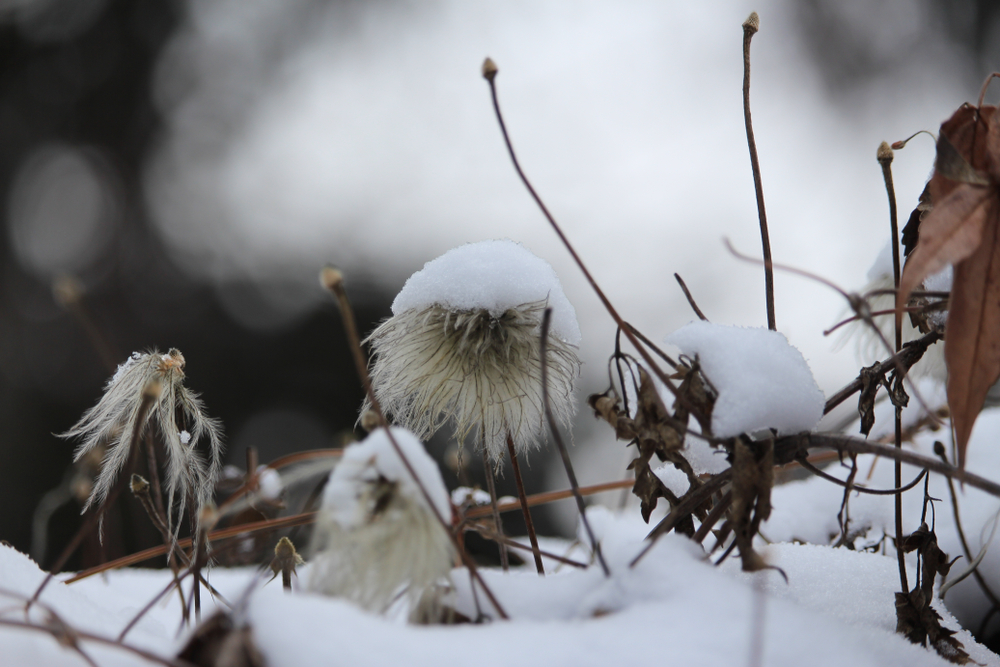
One of the coolest things about Clematis is that you can find them growing all over the globe. Because there are about 300 different varieties, these beauties have adapted to all sorts of climates. This means many of them are naturally winter-hardy and can handle a chill just fine. However, for other types, you’ll need to step in and help them out so they can survive the frost and bounce back in the spring.
Giving Young Plants Extra Love
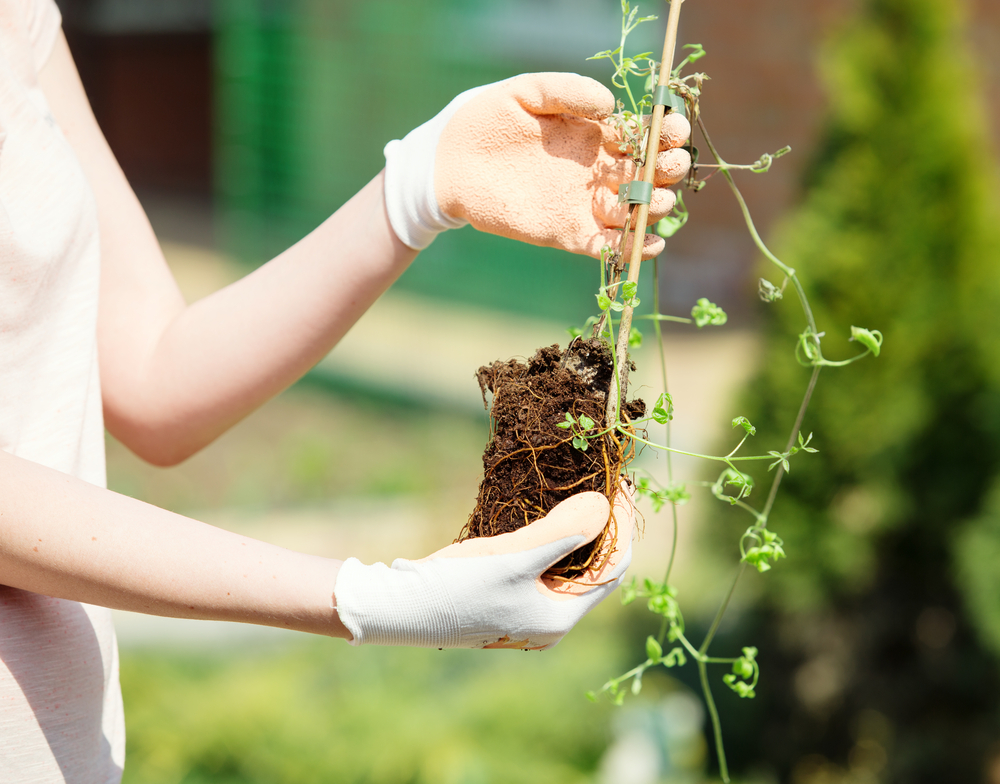
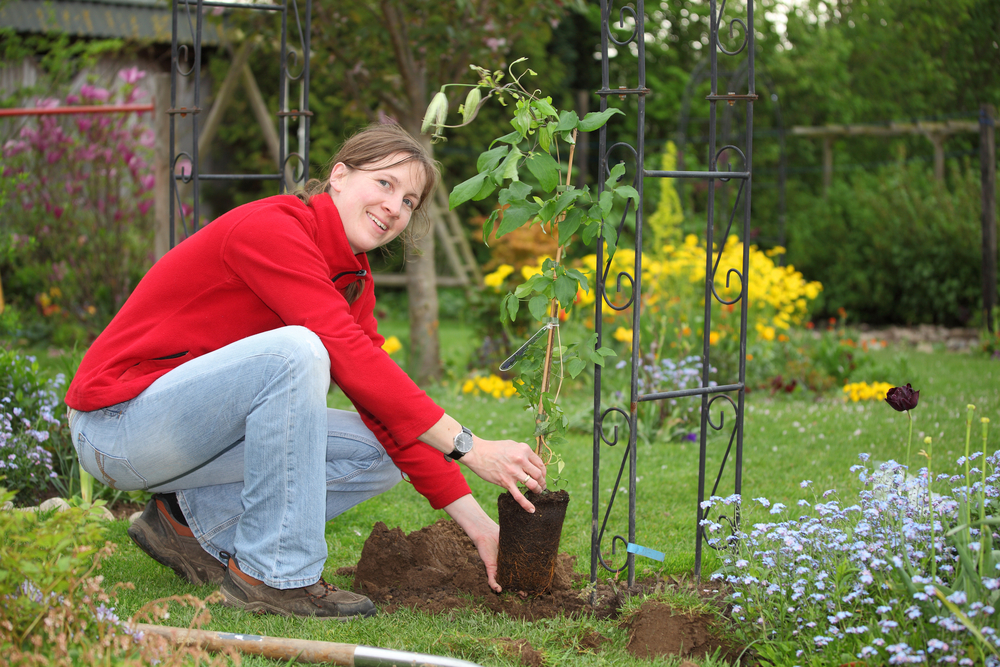
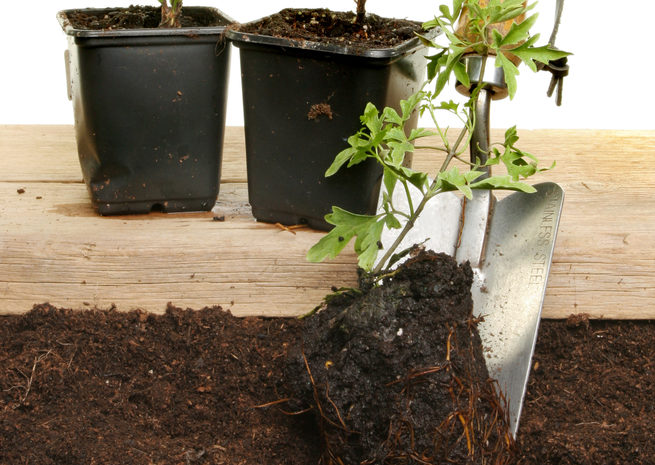
Ideally, you’ll want to get your Clematis in the ground during the late summer planting season. Since that only gives the plant a few months to settle in before the first frost hits, protecting those youngsters is key. I recommend covering the root zone with a thick layer of mulch—think fallen leaves, pine branches, or straw. You should also wrap the vines and shoots attached to your trellis with garden fleece or burlap to keep them cozy.
Winter Care for Container Plants
If you’re growing your Clematis in pots on a balcony or patio, they’ll need a bit more attention to get through the winter. The best move is to bring them into a frost-free spot that still gets some light, like an unheated greenhouse or a bright garage. If you don’t have a spot like that indoors, don’t worry! Just wrap the pots in burlap or garden fleece and tuck them right up against a south-facing wall of your house. Pro tip: set the pots on wooden blocks or a pallet to insulate them from the freezing ground. Finally, top off the soil with a layer of leaves, sawdust, or straw.
Low-Maintenance Varieties
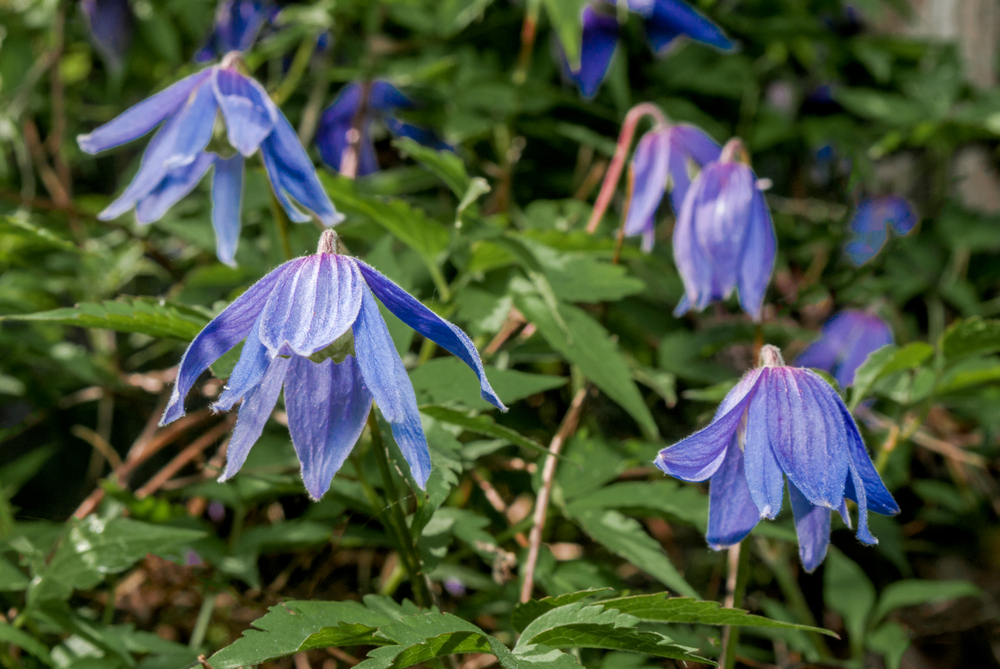
If you want to skip the winter chores, look for early-blooming varieties like *Clematis montana* or *Clematis alpina*. These guys are tough as nails. Since you usually prune them in May or June (if at all), they have plenty of time to harden off and are perfectly capable of handling winter on their own without any extra help from you.