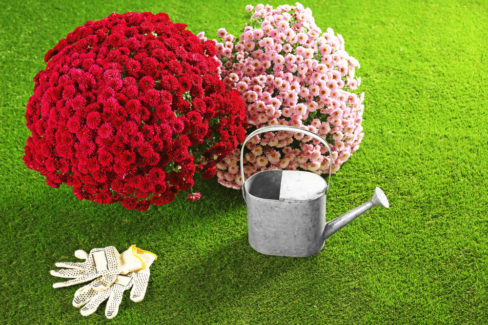
Chrysanthemums—or “mums” as we love to call them—are the absolute stars of the fall garden. Whether they’re brightening up your flower beds or adding a pop of color to your patio in decorative pots, they are the ultimate autumn vibe. But if you want those gorgeous blooms to last, you’ve got to get the watering right.
Understanding Their Thirst
Mums are what we call “heavy feeders,” meaning they have a big appetite for nutrients and an even bigger thirst for water. The golden rule? Never let that root ball dry out completely. As soon as the top layer of soil feels dry to the touch, it’s time for a drink. However, there’s a catch: they hate “wet feet” (standing water). Interestingly, if your mums are in pots, they might still need a soak even after a rainstorm. Their bushy leaves act like a little umbrella, preventing rainwater from actually reaching the soil. So, don’t forget to check on them even when it’s drizzling!
The Secret to Watering: The Interval Method
While mums love moisture, drowning them is a common mistake. If water sits at the bottom of the pot or in heavy soil, the roots will rot, and the plant will check out early. Here’s how to keep them happy:
- Make sure your pots have large drainage holes.
- Use well-draining soil so excess water can escape easily.
- Add a drainage layer (like gravel or clay pebbles) at the bottom when planting.
- Try interval watering: Instead of dumping a gallon at once, give them smaller amounts of water in stages.
- Always do the “finger test”—stick your finger an inch into the soil to see if it’s actually dry before grabbing the watering can.
Getting the Amount Just Right
It can be tricky to tell how much water is sitting at the bottom of a large planter. If you want to take the guesswork out of it, I highly recommend a moisture meter. You just stick it into the center of the pot, and it tells you exactly what’s going on down there. It’s a total lifesaver for preventing overwatering.
The Overwatering Paradox
Here’s something that trips up a lot of gardeners: when a mum gets too much water, it starts to look wilted and limp. Naturally, you might think, “Oh no, it’s thirsty!” and add even more water. But usually, the plant is actually drowning. The roots have started to rot and can no longer “breathe” or absorb water, which is why the leaves look parched. It’s a bit of a catch-22—the plant looks dry because it’s too wet!
If your mum is looking a little sad and soggy, you might still be able to save it. Pull the plant out of the wet soil immediately, snip off any mushy, rotten roots, and repot it into fresh, dry potting mix. This gives it a chance to grow healthy new roots. Just be sure to go very easy on the water for a while until it bounces back!