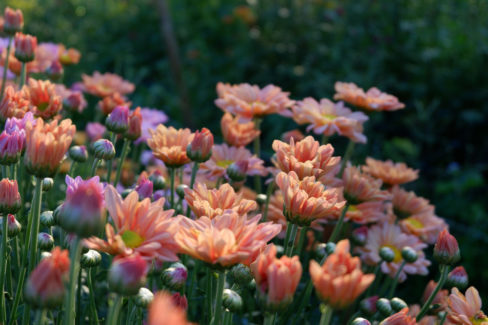
Chrysanthemums—or “mums” as we usually call them—are the absolute stars of the fall garden. Whether you’re looking for single or double blooms, or solid colors versus bicolor varieties, there is a huge selection out there to choose from. If you get them in the ground early enough and pick the right spot, you can actually grow them as perennials for years to come. Of course, many folks prefer the easy-going annual varieties, which can just be tossed in the compost bin once they’re done blooming.
When and Where to Plant Your Mums
If you’ve started your own young plants from scratch, you can move them outside in the spring once the threat of frost has passed. To really thrive, they need a bright spot that stays out of harsh, direct midday sun. A place that’s protected from heavy wind and rain—and doesn’t get sweltering hot (ideally under 75°F)—is the sweet spot. This is also the time to plant any hardy mums you’ve purchased. If you bought your plants in the fall, it’s best to let them overwinter in a protected pot and then transplant them into the garden come spring.
Getting the Soil Right
Mums love soil that is loose, nutrient-rich, and stays consistently moist but not soggy. You can give your garden soil a boost by mixing in some lime and horn meal (or a similar organic fertilizer). The most important thing is drainage; mums absolutely hate “wet feet” (standing water). As a precaution, I always recommend adding a drainage layer of broken pottery or coarse gravel to the bottom of the planting hole.
How to Plant Your Chrysanthemums
Ready to get your hands dirty? Here’s the best way to get them into the ground:
- Remove the plant from its nursery pot and give the root ball a good, long soak in water.
- Dig a hole that is twice as wide as the root ball.
- Place some broken pottery shards at the bottom of the hole for drainage.
- Mix your garden soil with a bit of sand and compost.
- Set the plant in the hole—make sure it’s not sitting any deeper than it was in its original pot.
- Fill the hole back up with your soil mix and press down firmly to remove air pockets.
- If you’re planting a taller variety, go ahead and put a stake in now for support.
- Give it a moderate watering to help it settle in.
Overwintering Tips
Hardy mums usually handle the winter pretty well, but they do appreciate a little extra “blanket” to protect them from frost. Covering them with evergreen branches works great. Avoid using dry autumn leaves, though—they tend to rot, which can introduce bacteria and damage your plants. If you have mums in pots, move them to a frost-free spot like a garage or greenhouse for the winter. Alternatively, you can wrap the pots tightly in garden fleece or bubble wrap and keep them in a sheltered spot outdoors.