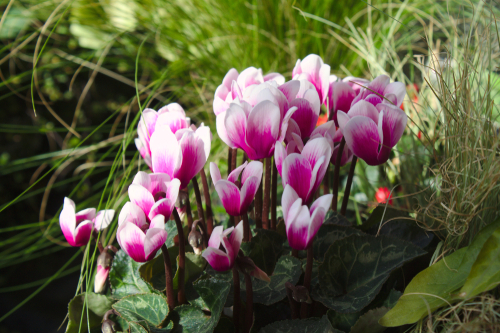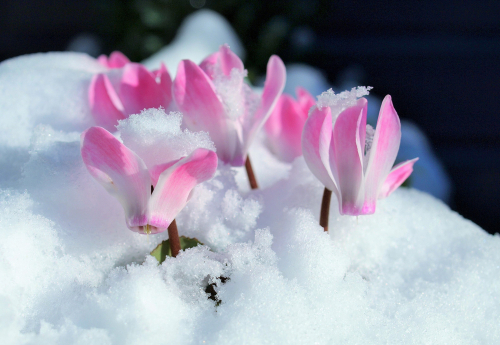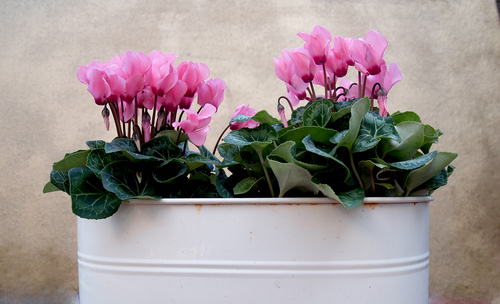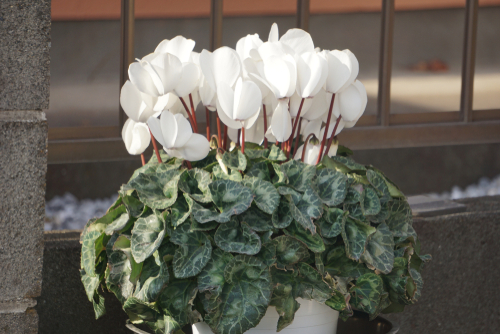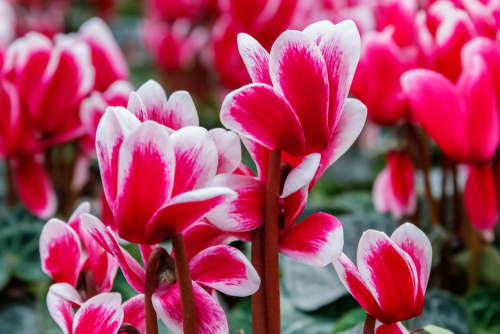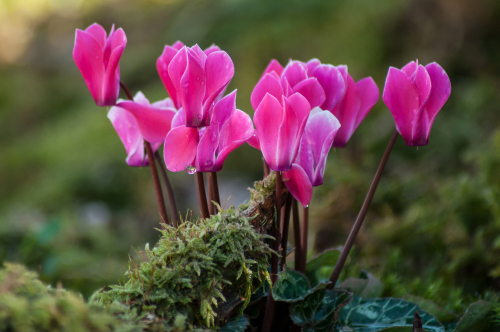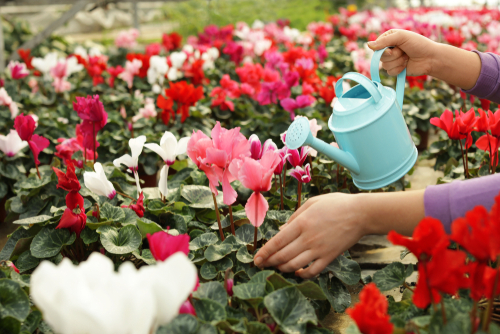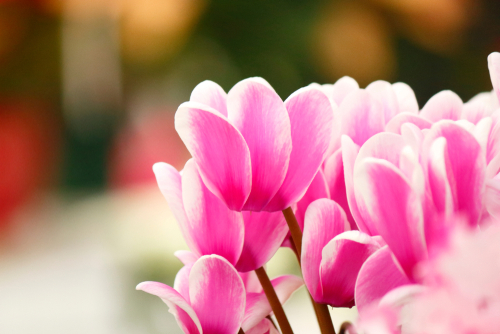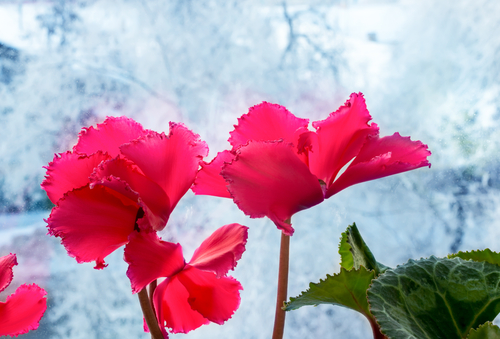
Cyclamens are a total classic for adding a pop of color to your home during those gloomy winter months. But did you know they can also thrive in your garden? If you pick the right spot and choose varieties with decent winter hardiness, these little beauties can grow into strong flowering plants that multiply year after year.
Cyclamens for Your Garden
Now, before you head to the nursery, keep in mind that not every cyclamen is built for life outdoors. Most of the ones you see in grocery stores love cool air but can’t handle a hard frost. However, there are some tough varieties that can survive temperatures as low as -4°F (or even lower!). Here are the ones to look for:
- Eastern Sowbread (Cyclamen coum): These early birds bloom in February and March.
- European Cyclamen (Cyclamen purpurascens): Perfect for summer color, blooming in July and August.
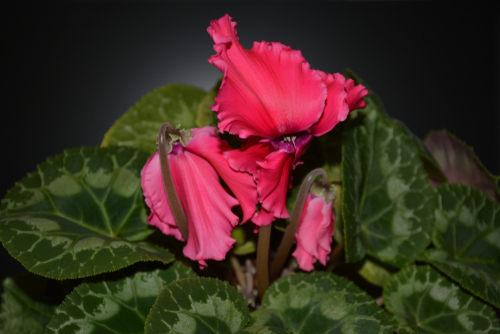
- Ivy-leaved Cyclamen (Cyclamen hederifolium): These start budding in late August, and their lovely marbled leaves stay green all through the winter.
These specific types usually don’t need extra winter protection as long as their tubers are planted deep enough. If you’re willing to provide a little extra mulch or cover, you can also try varieties like the Anatolian, Amanus, or Propeller cyclamen.
How to Plant Hardy Cyclamens
To make sure your plants survive the winter and come back even stronger next year, you’ve got to find the “Goldilocks” spot. Cyclamens aren’t big fans of direct sun; they much prefer a cool, shady nook. A spot under hedges or deciduous trees is perfect—it gives them that dappled shade they love without the scorching midday sun.
As for the soil, they like it well-draining, slightly limey (alkaline), and consistently moist. Just make sure it’s not soggy—nobody likes wet feet! If the conditions are right, you can just let them do their thing. They’ll eventually develop seed pods and start spreading naturally across your garden bed.
Protecting the Tubers
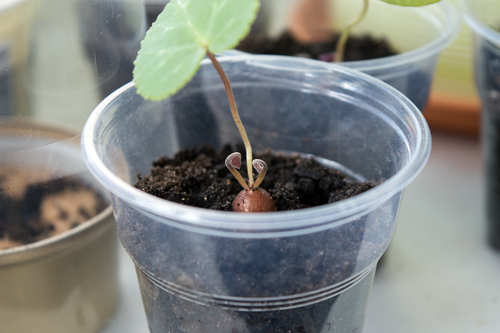
The tuber is the heart of the plant, acting as its energy storage. The best time to plant them is in the spring. Aim for about 3 to 4 inches deep and cover them well with soil. If they’re too close to the surface, they’ll likely freeze and won’t sprout again. Even with frost-resistant varieties, I always recommend a little extra “blanket” for the winter—a layer of dried leaves, brushwood, or evergreen branches works wonders.
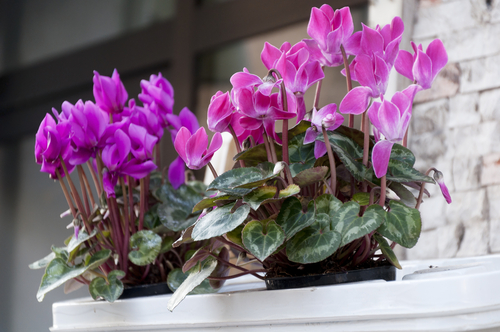
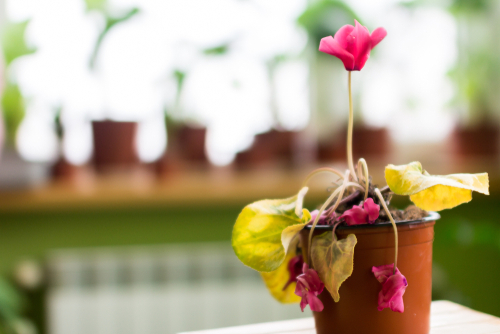
If you’re growing cyclamens in pots or balcony boxes, you have to be extra careful. Container soil freezes much faster than the ground, which can kill the tubers. Move your pots to a spot sheltered from the wind and wrap them in bubble wrap or garden fleece. Pro tip: Place the pot on a block of styrofoam or wood to insulate it from the cold ground, then cover the top with leaves or twigs. Just make sure the drainage holes stay clear so water can escape—otherwise, the tubers might rot before spring even arrives!