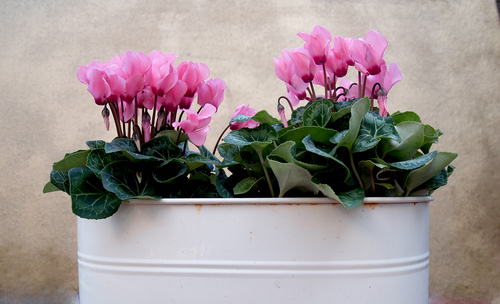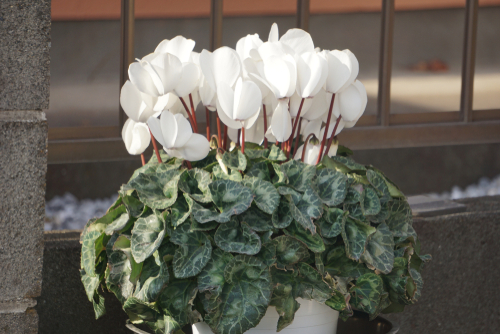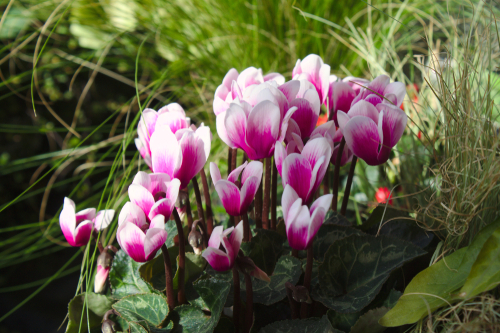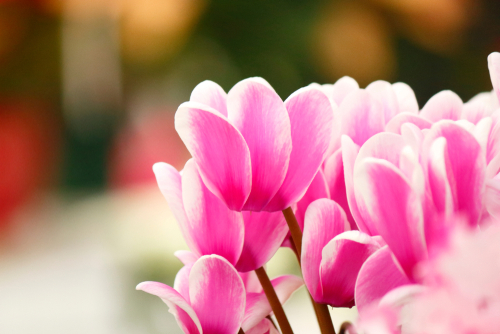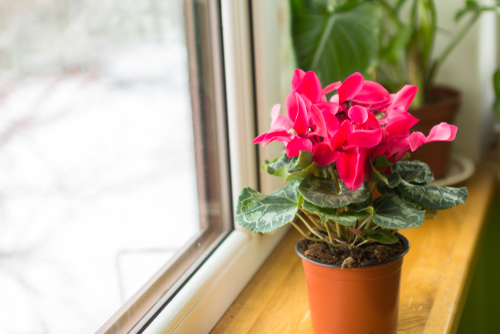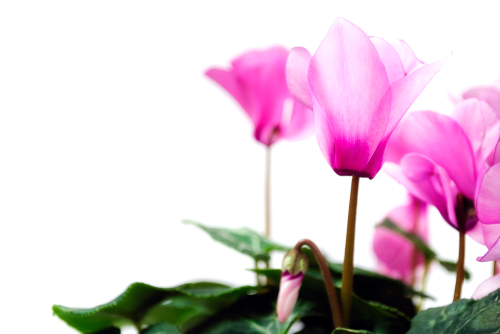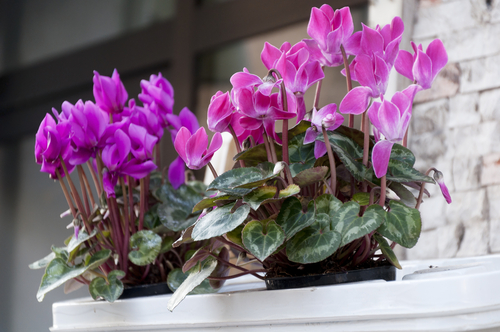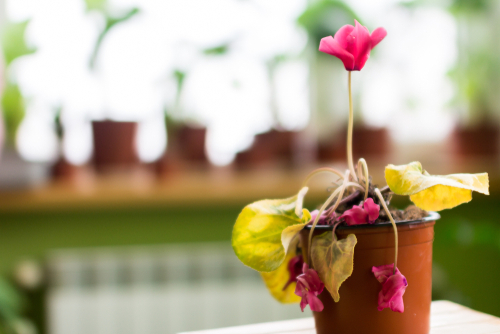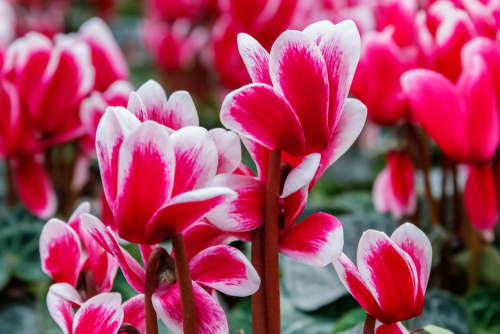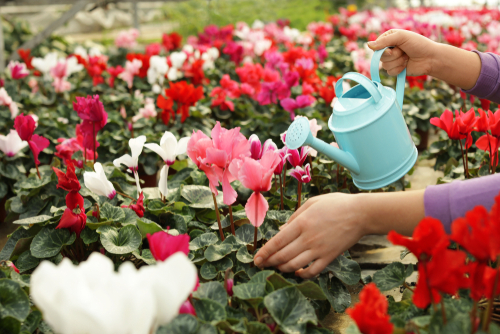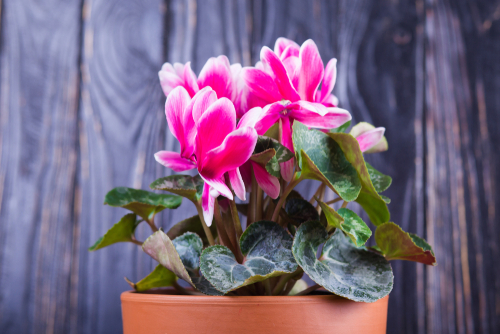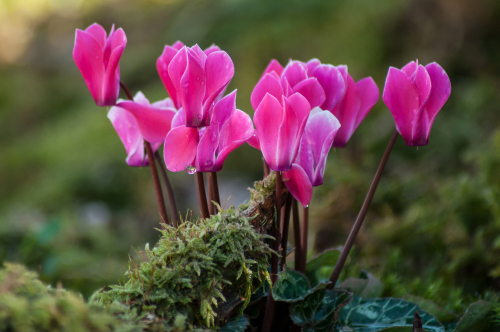
Starting in September, you’ll see cyclamens popping up in garden centers everywhere. They’re the perfect way to brighten up a cool room through the spring, but here’s a pro tip: they actually hate being too warm! Once they’re done blooming indoors, you can move them outside until fall. In fact, some varieties are tough enough to live outdoors year-round.
Bringing Your Indoor Cyclamen Outside
If your cyclamen has been spending the winter brightening up your windowsill, you can move it to the garden or balcony once spring temperatures hit that sweet spot between 50°F and 60°F. Just be sure to “harden it off” by giving it a few hours outside each day to get used to the fresh air.
Finding the Perfect Spot
Cyclamens love it cool and shady. Tucking them between larger potted plants or under a hedge is usually a winning move. Here’s what they need to thrive:
- Partial to full shade
- Plenty of indirect light
- No direct, scorching sun
- Consistent moisture (but never soggy soil!)
- A little liquid fertilizer for houseplants every two weeks
When late fall rolls around, it’s time to bring your indoor varieties back inside to a cool spot in the house.
Hardy Cyclamens for the Garden
Did you know some cyclamens can stay outside all year? Whether in the ground or in pots, these varieties are surprisingly tough. The most popular ones are:
- Eastern Cyclamen (blooms in late winter/early spring)
- Ivy-leaved Cyclamen (blooms in late summer/fall)
- European Cyclamen (summer bloomer)
All three can handle frost and usually don’t need much winter protection. Just give them a home in partial to full shade—under a hedge or beneath some perennials is perfect.
Care and Maintenance
Outdoor cyclamens are incredibly low-maintenance. A little compost at the start of the growing season in spring is usually all the “food” they need. They love well-draining, nutrient-rich soil. To prevent root rot, make sure the water can get away—adding some coarse gravel for drainage works wonders. Even though they can handle freezing temperatures, a light mulch of leaves or evergreen branches in the winter doesn’t hurt.
If you’re keeping your cyclamens in pots on a patio or balcony, they’ll need a bit more protection from the cold. You don’t want the pots to freeze solid, so wrap them in burlap or fleece. Prop them up on a block of wood or Styrofoam near the house wall or huddle them together with larger planters. Double-check your drainage before winter hits; if it rains a lot, you want to make sure the water isn’t sitting in the pot, or those beautiful tubers might rot.