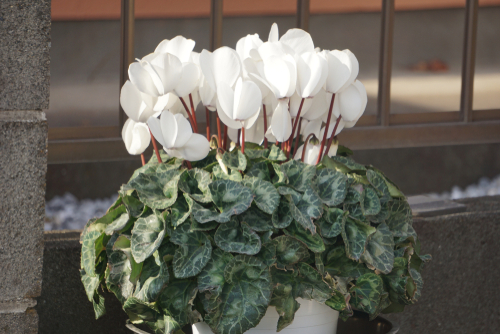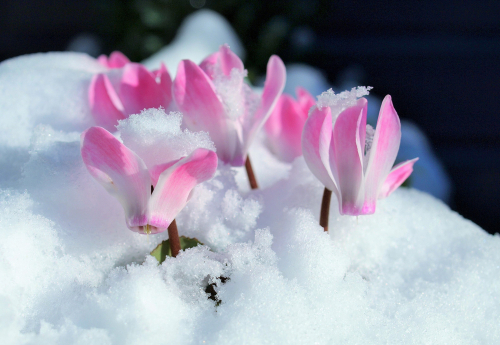
In the wild, you’ll find cyclamens tucked away in shady mountain forests. They’re actually a protected species in the wild, so digging them up is a big no-no! Luckily, every fall, garden centers are packed with both indoor and outdoor varieties. If you know how to overwinter them correctly, these beauties will reward you with blooms year after year.
Understanding the Cyclamen Bloom Cycle
Cyclamens usually show off their colors—ranging from deep reds and pinks to purples, whites, and even bicolors—from September all the way through April. Once the flowering season ends, the plant naturally starts to wither and go dormant. Don’t panic! It’s just retreating into its tuber to recharge. After about two months of rest, your cyclamen will be ready to sprout all over again.
Caring for Indoor Cyclamens in Winter
During the chilly months, indoor cyclamens love a cool, bright spot. Keep in mind that these indoor varieties aren’t frost-hardy; for them, winter is their time to shine. To get the most out of their blooms, try to keep them in a room that stays around 60°F (15°C). Your plant will keep blooming until spring if you follow these simple tips:
- Water regularly, but never let them sit in soggy soil. Avoid pouring water directly onto the tuber.
- Feed them with liquid fertilizer every two weeks, or use fertilizer sticks for a “set it and forget it” approach.
- Keep an eye out for common pests.
- If you notice yellow leaves, it’s usually a sign you need to adjust your watering routine.
- When flowers or leaves fade, give them a quick, sharp tug to twist them clean off the tuber.
Overwintering Cyclamens in the Garden
If you’re growing hardy cyclamens in your flower beds or outdoor pots, they’ll need a little extra TLC when the temperature drops. If they are naturalized under trees or shrubs, their tubers are usually deep enough (at least 3 inches) to stay safe. Plus, fallen leaves provide a great natural blanket. If you want to be extra safe, you can add a layer of pine branches or brushwood for insulation.
Potted cyclamens are a bit more vulnerable. Because the root ball can freeze through in a container—which is game over for that sensitive tuber—they need more protection. Move your pots to a spot sheltered from the wind and set them on a “warm” base like a piece of wood or a foam board. Wrap the pots in garden fleece and cover the exposed tuber (which often sits slightly above the soil line in pots) with leaves or evergreen twigs. Keep this winter coat on until the threat of night frost has passed.
One last tip: even in winter, don’t let the soil dry out completely. On days when the ground isn’t frozen, give your outdoor cyclamens a light drink of water to keep them hydrated.